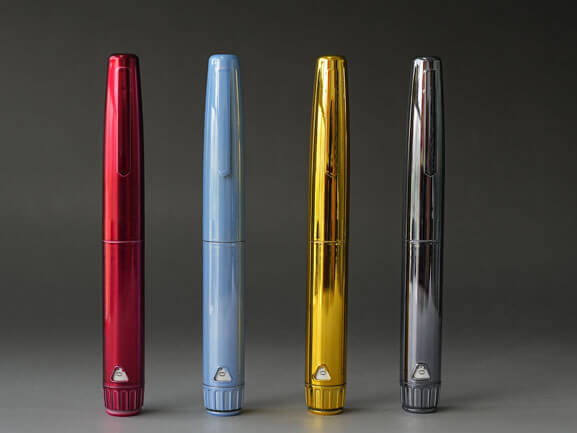
The GLP-1 market is no longer only a drug-development story. It is also becoming a drug delivery, device format and packaging strategy story.
On July 15, 2026, the U.S. FDA updated its public Paragraph IV Patent Certifications list. In the tirzepatide entry, the listed reference listed drugs include Mounjaro (Autoinjector) and Zepbound (Autoinjector). This does not mean FDA has issued a new autoinjector regulation, and it should not be interpreted as a device approval trend by itself. But it is a useful public signal: GLP-1 therapies are now closely tied to finished delivery formats, patent strategy and future generic or competitive development planning.
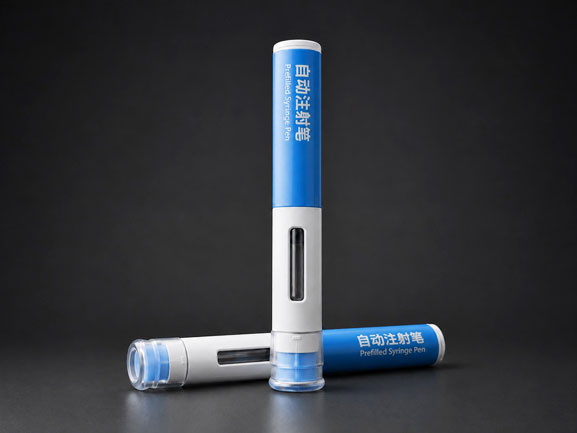
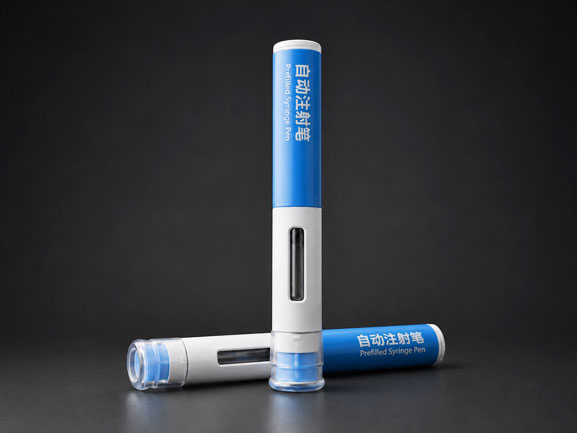
For pharmaceutical, biotech, CDMO and device project teams, this reinforces a practical point. In high-value injectable drug markets, the delivery system is part of the commercial product strategy, not a late-stage accessory.
Why Autoinjector Format Matters in GLP-1 Competition
GLP-1 and related metabolic therapies are often used in long-term treatment programs where patient operation, dose consistency and product presentation matter. A finished product may be evaluated not only by the active drug, but also by how the dose is delivered, how clearly the patient can use the device and how reliably the packaging supports distribution and handling.
For autoinjector projects, buyers usually pay close attention to:
- prefilled syringe fit and fill-volume requirements;
- fixed-dose activation strategy;
- hidden needle or needle-shielding design;
- injection sequence and end-of-dose feedback;
- carton, label and instruction-for-use layout;
- sample evaluation and supplier documentation;
- final assembly and packaging configuration;
- regulatory responsibility between the drug owner and device or packaging supplier.
The FDA Paragraph IV listing does not create new technical requirements for autoinjector suppliers. However, it shows that autoinjector presentation is visible in the competitive landscape around GLP-1 products. This visibility can influence how development teams compare delivery formats, supplier readiness and documentation support.
Autoinjector vs Injection Pen: Different Project Logic
For GLP-1 and peptide products, the right delivery format depends on the drug, dose strategy and commercial plan.
| Project Direction | Typical Fit | Key Discussion Points |
|---|---|---|
| Prefilled syringe autoinjector | Fixed-dose self-injection and simplified patient operation | Syringe fit, activation force, hidden needle structure, carton and IFU coordination |
| Injection pen / pen injector | Repeated dosing, cartridge-based pen systems or adjustable-dose projects | Cartridge dimensions, dose mechanism, dose range, user operation and OEM customization |
| COP vial or RTU vial | Clinical supply, biologics, peptides, lyophilized products or packaging evaluation | Container material, CCI, stopper compatibility, sterilization, filling and storage needs |
These formats should not be selected only by market trend. A GLP-1 product may require an autoinjector, injection pen, cartridge system, vial or another presentation depending on formulation stability, dose volume, intended user group, fill-finish process and regulatory plan.
What Pharma Teams Should Prepare Before an Autoinjector Project
Before requesting autoinjector samples or OEM support, the project team should prepare a clear technical brief. The most useful information includes:
- target drug type and application area;
- whether the project is GLP-1, peptide, insulin, biologic or another injectable therapy;
- prefilled syringe format and fill volume;
- fixed-dose or other dose strategy;
- hidden needle or visible needle preference;
- activation method and user-operation expectations;
- target market and documentation requirements;
- branding, label and carton packaging needs;
- sample quantity and evaluation timeline.
This information helps suppliers understand whether the inquiry should be handled as a prefilled syringe autoinjector project, an injection pen project, a custom device discussion or a packaging evaluation.
The appearance of tirzepatide products such as Mounjaro (Autoinjector) and Zepbound (Autoinjector) in FDA's public Paragraph IV context is a reminder that GLP-1 competition is increasingly connected with delivery format, intellectual property strategy and commercial presentation.
For pharma and biotech teams, autoinjector selection should begin with the drug product, primary container, dose strategy and target user. For suppliers, the strongest opportunity is to support early project discussion with clear device boundaries, packaging coordination, sample evaluation and documentation support.
If you are evaluating an autoinjector or injection pen project for GLP-1, peptide, insulin or biologic drug delivery, contact Xinfuda to discuss prefilled syringe fit, device appearance, packaging configuration and sample requirements.


Copyright © Shijiazhuang Xinfuda Medical Packaging Co., Ltd. All Rights
MAKE AN ENQUIRY