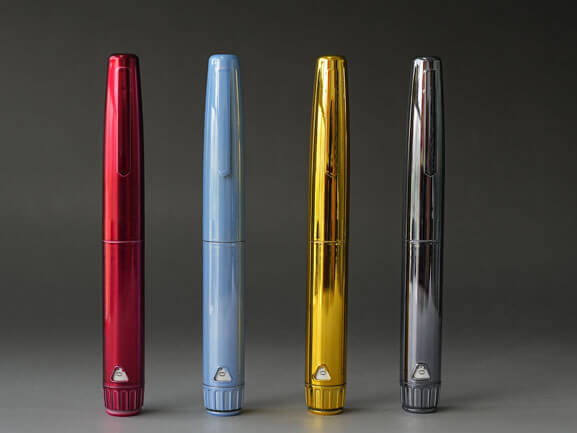
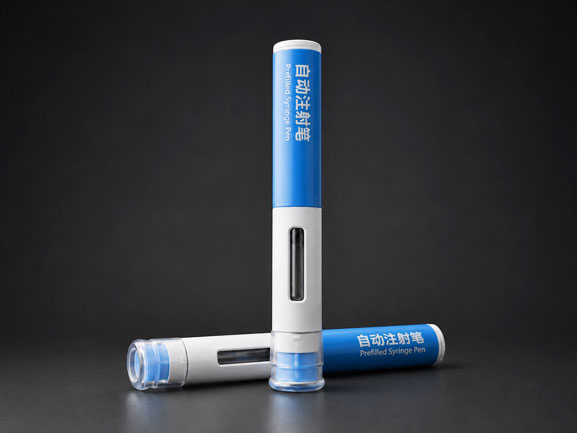
Many lyophilized peptide products are supplied through a vial-based preparation workflow: the diluent is transferred into the vial, the product is reconstituted and the required dose is withdrawn with a syringe. For a peptide brand considering a more integrated delivery format, a dual-chamber injection pen may be an attractive project direction.
However, moving from a vial to a pen is not simply a packaging change. The primary container, filling process, reconstitution behavior, dose mechanism and user workflow must be evaluated as one drug-device system.
When a Dual-Chamber Pen Direction May Be Relevant
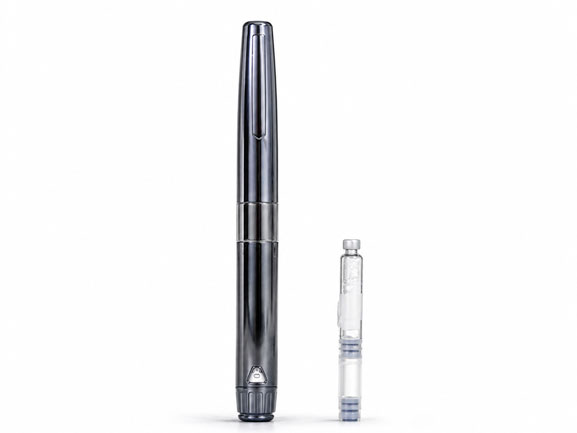
A dual-chamber pen may be evaluated when the peptide and diluent must remain separated before use and the project requires reconstitution inside a compatible cartridge. A reusable direction may be especially relevant when the treatment plan involves repeated administration with replacement medicine cartridges.
The starting point is not the pen appearance. The project must first confirm that the formulation and dose can work within a dual-chamber cartridge and the intended injection workflow.
What Changes When Moving Away from a Vial
With a vial presentation, the drug, diluent and administration device may be supplied as separate components. In a dual-chamber cartridge, the two components are stored in consecutive chambers and combined through a defined activation sequence.
This changes several parts of the development program:
| Project Area | Vial-Based Presentation | Dual-Chamber Pen Direction |
| Primary container | Lyophilized drug vial, separate diluent container | Dual-chamber cartridge with separated components |
| Reconstitution | Manual transfer and mixing | In-cartridge activation and mixing |
| Dose preparation | Withdrawn with a syringe | Prepared and delivered through the pen mechanism |
| User workflow | Multiple separate components and steps | Cartridge loading, reconstitution, inspection and injection |
| Main evaluation focus | Vial, closure, transfer and withdrawal | Cartridge fit, stopper and bypass function, dose and device usability |
1. Confirm the Peptide Formulation Can Enter a Cartridge Program
The product owner and its formulation or CDMO partner should review whether the current lyophilization and filling process can be adapted to the proposed cartridge configuration. Chamber allocation, fill volumes, headspace and stopper positions must be considered together.
The team should also define:
- the required diluent volume;
- reconstitution time and mixing method;
- foaming, bubbles and visible-particle criteria;
- viscosity after reconstitution;
- the time allowed between mixing and injection; and
- storage and stability requirements for the final container closure system.
A peptide formulation that works in a vial does not automatically have confirmed compatibility with a dual-chamber cartridge.
2. Define the Required Dose and Treatment Plan
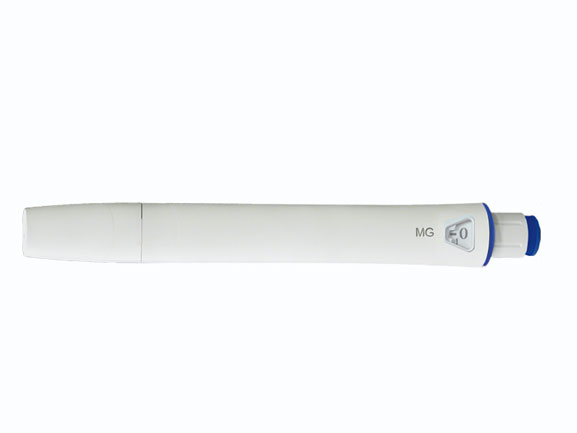
Before requesting a device sample, the brand should provide the target delivered volume, fixed-dose or variable-dose direction, dose frequency and intended needle.
For a reusable pen, the cartridge-replacement model must also be defined. The expected treatment duration, number of administrations per cartridge and intended device lifecycle influence the product, packaging and user-training strategy.
3. Evaluate the Complete Reconstitution Workflow
The user may need to load the cartridge, activate the pen, allow the components to mix, inspect the reconstituted solution, complete any required priming step and then prepare the dose.
The cartridge window, device markings and final instructions for use should help the user understand when mixing is complete. This workflow requires project-specific usability and validation work; it should not be based only on a visual prototype.
Information to Prepare Before Requesting Samples
Peptide brands should provide:
- peptide presentation and current container format;
- dual-chamber cartridge drawing, if available;
- chamber volumes and filling plan;
- target delivered volume and dose strategy;
- reconstitution sequence and viscosity after mixing;
- intended user and treatment frequency;
- target countries and current project stage;
- expected sample quantity; and
- color, logo, label and packaging requirements.
These details help determine whether the project should begin with technical fit samples, appearance samples or further cartridge development.
Discuss a Branded Peptide Pen Project
Xinfuda offers both reusable and single-use dual-chamber pen directions. For repeated-treatment programs, combines a repeat-use pen body with a project-matched replacement cartridge.
Send your peptide presentation, cartridge information, target dose, reconstitution sequence, target market and branding requirements to begin an early project discussion.


Copyright © Shijiazhuang Xinfuda Medical Packaging Co., Ltd. All Rights
MAKE AN ENQUIRY