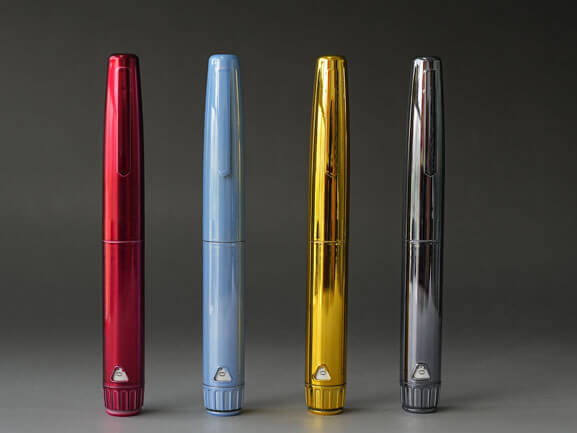
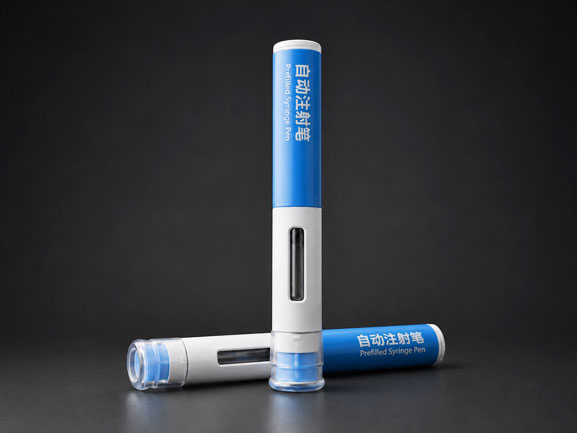
For peptide product owners, the injection device is more than a container for the medicine. Its color, finish, labeling, packaging and operating experience become visible parts of the final product identity.
A branded dual-chamber peptide pen can support these commercial requirements, but customization should follow technical fit. The cartridge, reconstitution sequence and dose strategy must be established before the project moves into detailed exterior design and production planning.
Customization Begins with the Device Direction
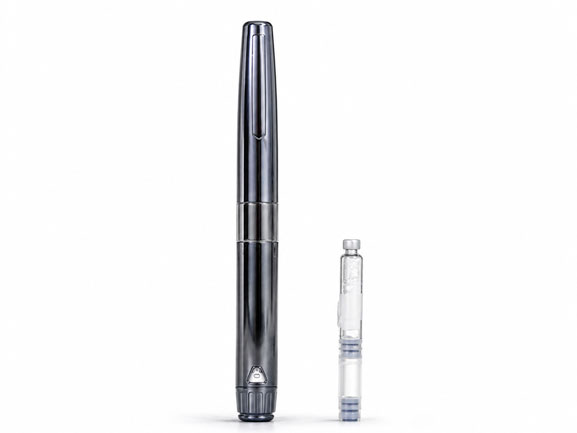
The first decision is whether the program requires a reusable pen body with replaceable dual-chamber cartridges or a complete single-use dual-chamber device.
Both directions can support a lyophilized peptide and diluent that remain separated before use. The appropriate option depends on treatment frequency, cartridge strategy, intended users, packaging plan and target market. They are complementary product directions rather than competing versions of the same project.
What Can Usually Be Discussed
The exact customization scope depends on technical feasibility, quantity and project stage. Typical discussion areas include:
| Customization Area | Available Project Discussion |
| Device color | Color matching for the body, cap, dose knob or other available components |
| Surface finish | Gloss, matte, metallic appearance or other available finishing directions |
| Logo and brand marking | Logo printing, product name and available marking positions |
| Dose presentation | Fixed-dose or variable-dose direction based on confirmed project requirements |
| Labeling | Device label, cartridge identification and project-specific information layout |
| Packaging | Individual box, tray, insert and available transport-packaging discussion |
| Instructions | Space and format planning for the customer-led instructions for use |
| Samples | Functional evaluation samples and appearance samples at suitable project stages |
Availability should be confirmed for the selected device configuration. A visual concept does not establish compatibility with the final cartridge or drug product.
Color and Surface Finish
Color can help distinguish products, strengths or cartridge types and create a consistent brand identity. The project may discuss color matching for available plastic or metal components, together with gloss, matte or metallic finishes.
Before confirming a color scheme, the team should consider contrast, readability, manufacturing consistency and whether color is being used to communicate critical product information. Final color specifications require sample approval.
Logo Printing and Product Identification
Logo, product name and other brand elements can be discussed for available marking areas. Printing location, size, color and durability depend on the component material and selected process.
Brand decoration should not obscure dose information, operating marks, cartridge visibility or required labeling. Regulatory and medication-identification content remains subject to the product owner's target-market requirements.
Dose Display and Operating Logic
Dose configuration is not an appearance-only option. Fixed-dose or variable-dose direction, dose range, dose increment and end-of-dose feedback must be matched to the formulation, cartridge and intended use.
For a dual-chamber peptide pen, activation, mixing, inspection, priming and injection are connected tasks. Changes to the interface or labeling should be reviewed against the complete operating sequence and human-factors plan.
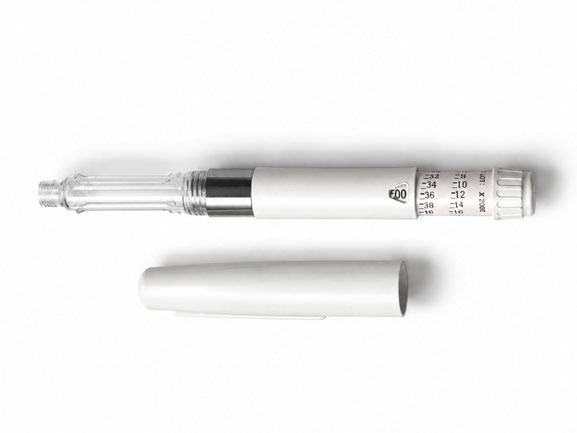
Cartridge and Pen Appearance Must Be Developed Together
The cartridge window and holder may need to support inspection of the reconstituted peptide. Labels and decorative components should not block the areas needed to observe stopper movement, mixing status or solution appearance.
The project team should provide the cartridge drawing, chamber volumes, stopper and bypass positions, fill plan and final dose requirements before approving the exterior design.
Packaging for a Branded Peptide Pen
Packaging discussions may cover an individual box, tray, cartridge arrangement, instructions and available accessories. For a reusable platform, the initial pen kit and replacement-cartridge presentation may require different packaging structures.
The final configuration should reflect the intended supply model:
device-only evaluation samples;
pen plus representative cartridge samples;
initial reusable pen kit;
replacement-cartridge packs; or
distributor and regional packaging requirements.
Drug-product packaging, cold-chain conditions, labeling compliance and market authorization remain project-specific responsibilities.
What Cannot Be Confirmed by Exterior Customization
Color, logo and packaging do not demonstrate that the final drug-device product is ready for market. The following still require appropriate development and validation:
peptide and cartridge compatibility;
container closure integrity and stability;
reconstitution performance;
delivered-dose accuracy and injection performance;
device lifecycle and usability;
labeling and instructions for use; and
regulatory acceptance in the target market.
This distinction helps brands move from a promotional concept to a technically credible product program.


Copyright © Shijiazhuang Xinfuda Medical Packaging Co., Ltd. All Rights
MAKE AN ENQUIRY