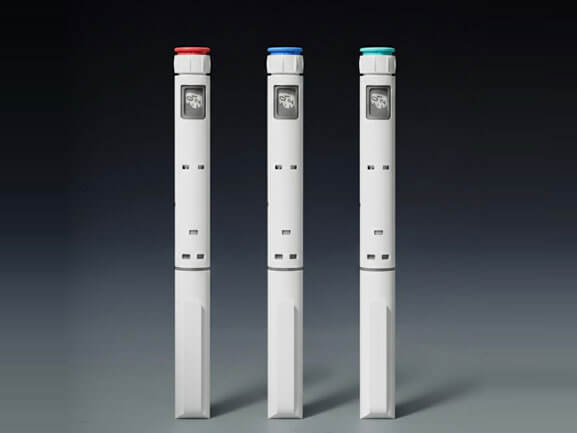
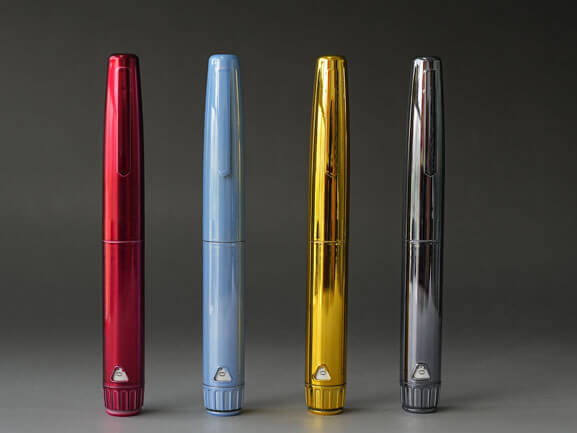
As self-injection therapies become increasingly common for chronic diseases and biologic treatments, patient experience has become a critical factor in treatment success. While drug efficacy remains essential, the design of the delivery device can significantly influence patient acceptance and adherence.
One innovation that has gained widespread adoption is the autoinjector with hidden needle technology. By concealing the needle before, during, and after injection, these devices help reduce anxiety, improve safety, and support long-term treatment compliance.
Understanding Hidden Needle Autoinjectors
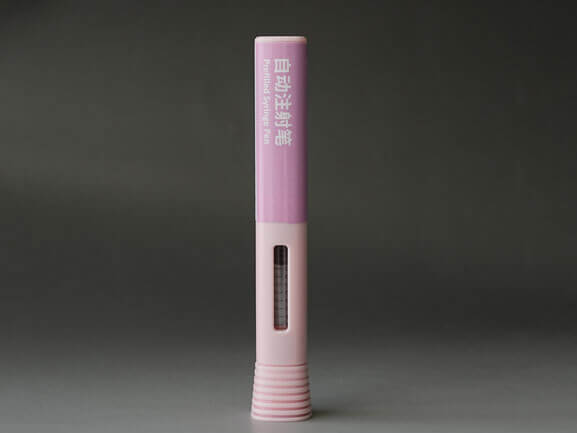
A hidden needle autoinjector is a drug delivery device designed to keep the injection needle out of sight throughout the entire injection process. Unlike traditional syringes or exposed-needle injection pens, the needle is automatically shielded inside the device housing.
The patient simply places the device against the skin and activates the injection. The needle automatically enters the skin, delivers the medication, and retracts or remains protected once the injection is complete.
This design creates a more comfortable and user-friendly injection experience.
Why Needle Anxiety Matters
Studies have shown that needle fear affects a significant portion of patients, including adults. For therapies requiring regular injections, anxiety can become a barrier to treatment adherence.
Patients may:
Delay injections
Skip doses
Require caregiver assistance
Experience stress before treatment
Lose confidence in self-administration
These challenges are particularly important for chronic therapies that require weekly, biweekly, or monthly injections.
Hidden needle technology directly addresses these concerns by removing visual exposure to the needle.
Benefits of Hidden Needle Autoinjectors
Improved Patient Acceptance
Many patients feel more comfortable using a device when the needle is not visible. This can be especially beneficial for first-time users, pediatric patients, and individuals with needle phobia.
By simplifying the injection experience, hidden needle autoinjectors help increase patient confidence and willingness to self-administer medication.
Enhanced Safety
Needlestick injuries remain a concern in healthcare settings and home care environments. Hidden needle mechanisms reduce the risk of accidental needle exposure before and after injection.
Many designs include automatic needle shielding systems that lock after use, providing an additional layer of protection.
Better Treatment Adherence
Patient adherence is one of the most important factors influencing treatment outcomes.
When injections become easier and less intimidating, patients are more likely to follow prescribed treatment schedules. Improved adherence can lead to better clinical outcomes and greater therapy effectiveness.
Simplified Self-Administration
Modern autoinjectors are often designed as one-step or two-step systems. Patients can administer medication without handling the needle or performing complicated preparation steps.
This ease of use supports the growing trend toward home-based care and self-management of chronic conditions.
Therapeutic Areas Driving Demand
Hidden needle autoinjectors are increasingly used in:
GLP-1 Therapies
The rapid growth of obesity and diabetes treatments has accelerated demand for patient-friendly injection devices. Hidden needle autoinjectors help support weekly self-administration of GLP-1 receptor agonists.
Autoimmune Diseases
Patients with conditions such as rheumatoid arthritis, psoriasis, and inflammatory bowel disease often require long-term biologic therapy. Device comfort and ease of use play an important role in maintaining adherence.
Multiple Sclerosis
Many injectable therapies for multiple sclerosis rely on autoinjector platforms to improve patient independence and reduce injection-related anxiety.
Allergy Emergency Treatment
Epinephrine autoinjectors have demonstrated how hidden needle systems can simplify emergency medication administration during high-stress situations.
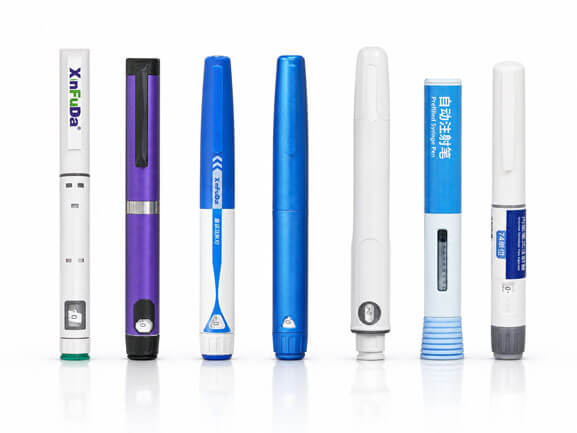
injecion pen types
Key Design Considerations for Pharmaceutical Companies
When developing a drug-device combination product, pharmaceutical companies typically evaluate several factors:
Reliable dose delivery
Needle shielding performance
Human factors engineering
Patient usability studies
Compatibility with prefilled syringes
Regulatory requirements
Manufacturing scalability
Device customization options
A well-designed hidden needle autoinjector can significantly enhance the overall value proposition of a therapy.
The Future of Patient-Centric Drug Delivery
As healthcare continues to move toward self-administration and home treatment, patient-centric device design will become increasingly important.
Hidden needle technology represents more than a safety feature. It reflects a broader shift toward improving patient comfort, reducing barriers to treatment, and supporting better health outcomes.


Copyright © Shijiazhuang Xinfuda Medical Packaging Co., Ltd. All Rights
MAKE AN ENQUIRY