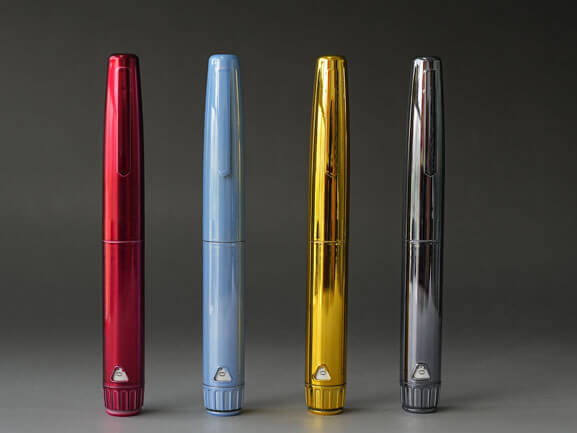
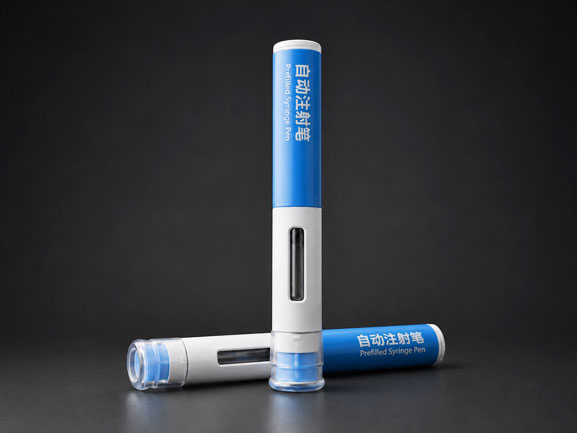
In modern healthcare, drug delivery methods are rapidly evolving. For many patients with chronic conditions or therapies requiring self-injection, autoinjectors have become a preferred solution. They not only improve patient adherence but also enhance the overall treatment experience.
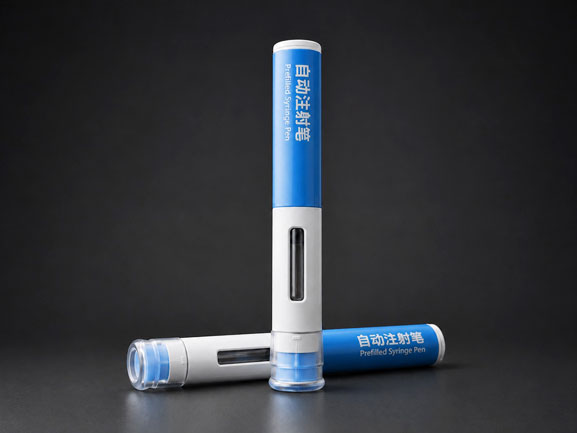
What Is an Autoinjector?
An autoinjector is a medical device designed for self-administration of injectable medications. It is usually pre-filled with the drug and uses a mechanical or spring-driven mechanism to automatically complete the injection process, minimizing the need for manual handling of needles or dosing.
Key Features:
One-step injection: Patients can administer the medication with a single button press or by simply placing the device against the skin.
Hidden needle design: The needle is concealed before, during, and after injection, reducing needle anxiety.
Fixed or adjustable dosing: Some autoinjectors allow dose adjustments to meet individual treatment needs.
Safety and convenience: Autoinjectors reduce user errors, ensure accurate drug delivery, and are ideal for at-home use.
Main Applications of Autoinjectors
Chronic disease management: Diabetes (GLP-1 receptor agonists, insulin), rheumatoid arthritis, autoimmune disorders.
Emergency medications: Epinephrine autoinjectors for anaphylactic shock.
Biologics and peptides: High-value drugs requiring precise, sterile delivery.
At-home therapy: Enables safe and convenient self-administration, reducing hospital visits.
Why Autoinjectors Are Increasingly Popular
Improved patient adherence: Easy-to-use devices reduce injection anxiety and encourage consistent therapy.
Minimized user errors: Automatic control of dose and injection speed lowers the risk of mistakes.
Product differentiation: For pharmaceutical companies, a well-designed autoinjector enhances the competitiveness of a therapy.
Supports combination products: Drug-device combination products are a growing trend in modern therapy design.
Future Trends in Autoinjector Development
Smart autoinjectors: Equipped with sensors to track dosage and injection timing for digital health integration.
Adjustable dosing and multi-drug compatibility: More flexible treatment options.
Biologic-specific designs: Adapted for high-viscosity or high-value biologics.
Global standardization: Manufactured under ISO 13485 and ISO 15378 quality standards to support worldwide distribution.
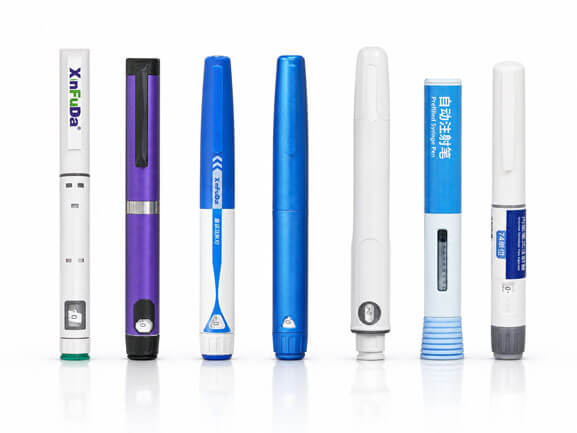
injecion pen types


Copyright © Shijiazhuang Xinfuda Medical Packaging Co., Ltd. All Rights
MAKE AN ENQUIRY