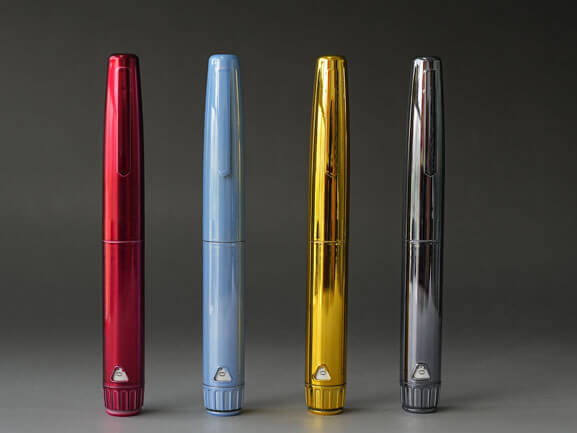
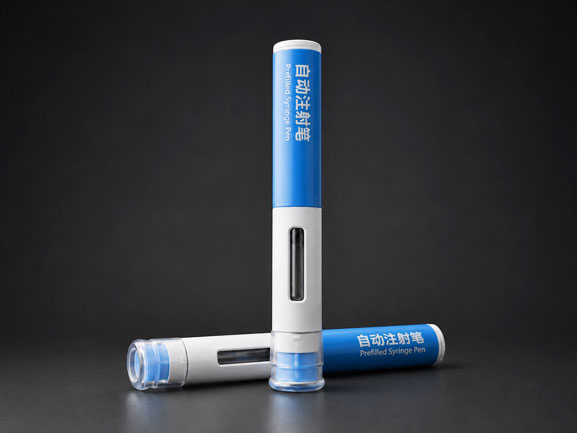
The rapid rise of GLP-1 therapies has transformed the pharmaceutical industry, creating unprecedented demand for treatments targeting obesity and type 2 diabetes. However, recent actions by the FDA regarding compounded GLP-1 drugs are creating a new phase of market evolution—one that extends far beyond drug manufacturers and directly impacts drug delivery devices, pharmaceutical packaging, and supply chain strategies.
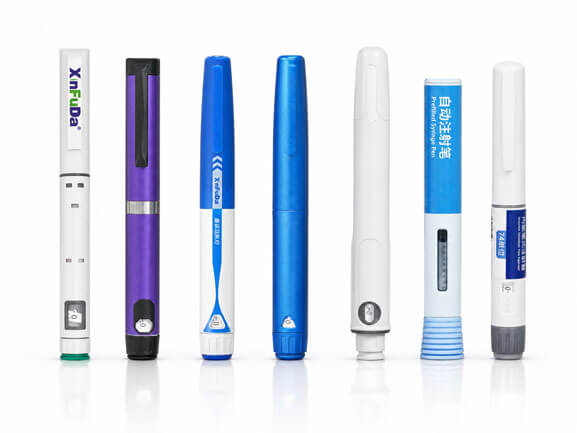
injecion pen types
For pharmaceutical companies, device manufacturers, and packaging suppliers, understanding these regulatory shifts is essential for future planning.
The End of the Compounded GLP-1 Boom?
During periods of supply shortages, many compounding pharmacies and 503B outsourcing facilities produced compounded versions of GLP-1 therapies such as semaglutide and tirzepatide. These products helped fill market gaps when branded drugs were difficult to obtain.
As supply constraints ease and the FDA increases oversight, the industry is moving toward a more regulated environment where approved products and compliant manufacturing systems become increasingly important.
The result is a gradual shift away from temporary compounded solutions and toward commercial-scale pharmaceutical production.
What Does This Mean for Drug Delivery Devices?
The impact goes far beyond the drug itself.
As pharmaceutical companies increase production of approved GLP-1 therapies, demand for reliable and scalable drug delivery platforms continues to grow.
This creates significant opportunities for:
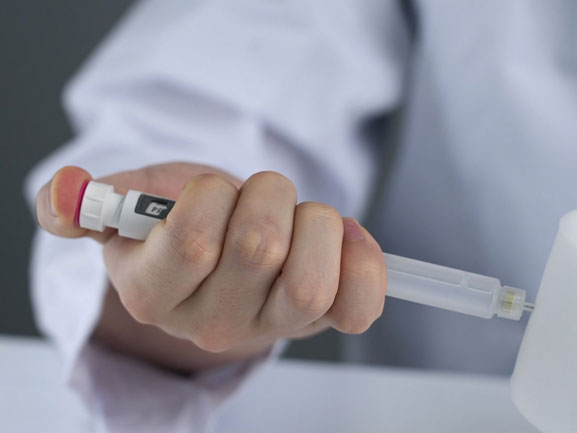
Disposable injection pens
Reusable injection pens
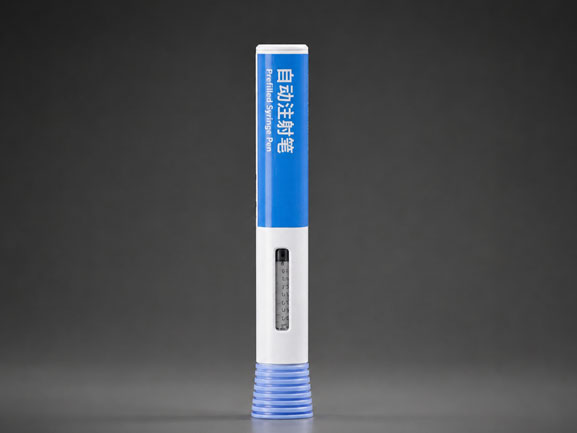
Autoinjectors
Cartridge-based delivery systems
Combination products
Unlike compounded products that often use basic administration methods, commercial GLP-1 therapies require highly engineered delivery devices that support patient convenience, dosing accuracy, and regulatory compliance.
Regulatory Compliance Is Becoming a Competitive Advantage
The GLP-1 market is no longer driven solely by demand. It is increasingly driven by compliance.
Pharmaceutical companies are now evaluating suppliers based on:
Quality management systems
Regulatory readiness
Manufacturing consistency
Risk management capabilities
Global supply chain reliability
As a result, suppliers operating under recognized standards such as ISO 13485 and ISO 15378 are becoming more attractive partners for pharmaceutical developers.
The Rise of Integrated Drug-Device Solutions
One of the most important industry trends emerging from FDA actions is the growing demand for integrated solutions.
Instead of managing multiple suppliers for packaging, delivery devices, and primary components, pharmaceutical companies are looking for partners that can support multiple aspects of product development.
This trend is particularly important for:
GLP-1 therapies
Biologics
Peptide drugs
Combination products
Integrated development can help reduce project complexity, improve communication, and accelerate commercialization timelines.
Why This Matters for Pharmaceutical Packaging
Drug delivery devices cannot succeed without reliable pharmaceutical packaging.
As GLP-1 products move through development and commercialization, pharmaceutical companies must ensure:
Container closure integrity
Moisture protection
Material compatibility
Regulatory compliance
Supply chain consistency
The combination of advanced packaging systems and injection devices is becoming a key factor in successful product launches.
Market Opportunities for Device and Packaging Manufacturers
The FDA's actions may reduce opportunities for compounded products, but they are creating larger opportunities elsewhere.
The winners are likely to be companies that can provide:
Compliant manufacturing systems
High-quality injection pen platforms
Pharmaceutical-grade packaging solutions
Scalable production capabilities
Long-term supply chain support
As the GLP-1 market continues to expand globally, pharmaceutical companies will increasingly seek strategic partners rather than component suppliers.
Conclusion
FDA actions on compounded GLP-1 drugs represent more than a regulatory update—they signal a broader shift toward compliance, quality, and integrated pharmaceutical development.
As the market transitions from shortage-driven supply to long-term commercial growth, demand for advanced drug delivery devices and pharmaceutical packaging solutions will continue to increase.
For pharmaceutical companies developing the next generation of GLP-1 therapies, choosing the right partners for both packaging and drug delivery may become just as important as choosing the right drug formulation.


Copyright © Shijiazhuang Xinfuda Medical Packaging Co., Ltd. All Rights
MAKE AN ENQUIRY