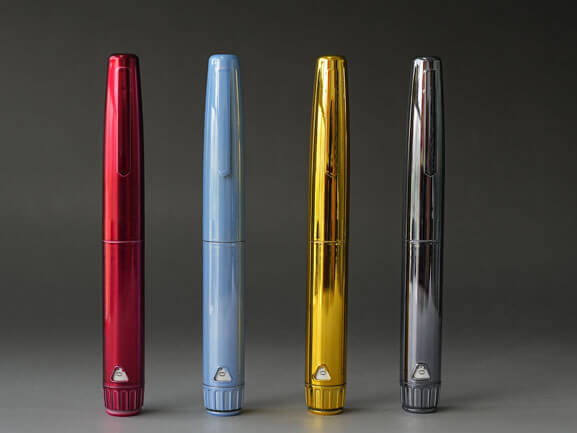
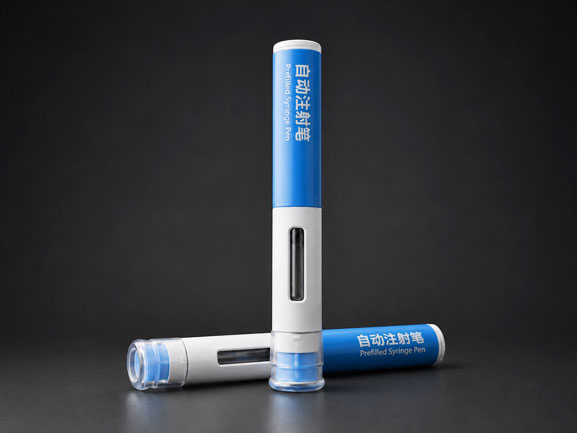
An insulin pen is a portable medical device that precisely injects insulin into the body. It integrates a traditional syringe, vial, and insulin into one unit, designed to make insulin injection more accurate, convenient, and user-friendly.
Core Concept Explanation: Unlike traditional syringes that require drawing insulin from a vial, insulin pens are typically pre-filled or use replaceable insulin cartridges, eliminating the steps of drawing and measuring the dose, significantly reducing the risk of operational errors.
Main Types:
Pre-filled (Disposable) Insulin Pens
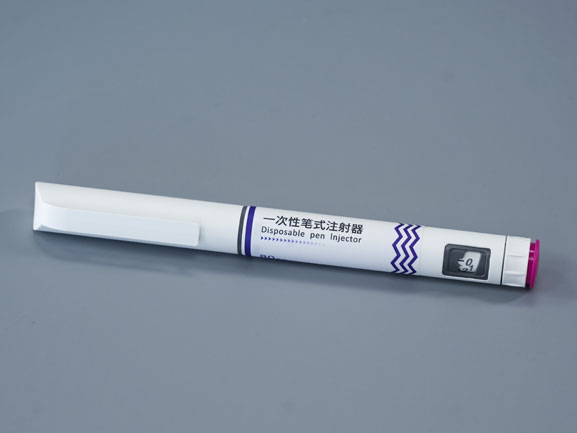
Features: The pen body is pre-filled with a fixed dose of insulin. Once the insulin is used up, the entire pen body is discarded.
Advantages: No need to replace cartridges; extremely simple operation; reduces the risk of contamination or errors caused by replacing parts.
Reusable (Replaceable Cartridge) Insulin Pens
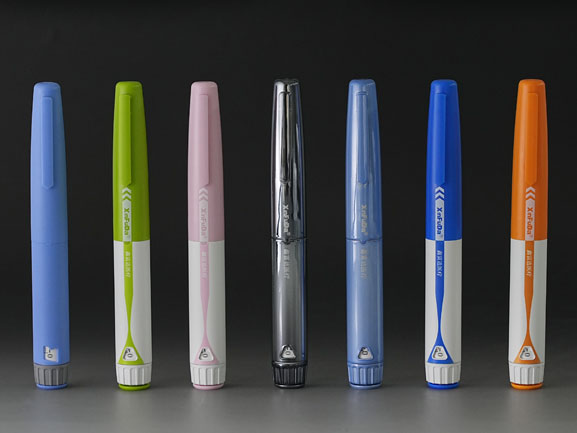
Features: Durable pen body; insulin is stored in individual cartridges. When a cartridge is used up, only a new cartridge needs to be replaced; the pen body can continue to be used.
Advantages: More economical in the long run; more environmentally friendly. Many high-end or feature-rich insulin pens (such as memory function or half-unit adjustment) use this design.
Important Safety Guideline: Regardless of the type of insulin pen used, a brand new sterile needle must be used for each injection.
Insulin Pen Usage Guide
Step 1: Pre-Injection Preparation
Check Information: After taking out the insulin pen, first check the medication name, concentration, and expiration date, and observe whether the solution is clear and uniform (for suspension insulin, it must be mixed as required beforehand).
Warm to Room Temperature: After removing it from the refrigerator, allow it to sit at room temperature for approximately 30 minutes. Injecting room temperature insulin reduces discomfort.
Installing the Needle: Clean the pen tip with an alcohol swab, tear open the new needle packaging, align it vertically with the pen body, and tighten it by rotating.
Escape Air: Set the dose selection knob to 2 units, with the pen tip pointing upwards, gently tap the pen body to gather air bubbles at the top, and press the injection button until a drop of insulin appears at the needle tip. This step is crucial to ensure accurate dosing.
Step 2: Selecting and Injecting Dosage
Setting the Dosage: Rotate the dose selector to the number of units prescribed. A clear "click" sound (usually one click per unit) helps confirm the dosage. Never set a dose exceeding the remaining amount in the pen.
Injection Site Selection: Common injection sites include the abdomen (avoiding the area around the navel by 5 cm), the outer thigh, the outer upper arm, and the buttocks. Insulin is absorbed fastest in the abdomen. Injection sites should be rotated systematically to prevent repeated injections in the same area, which can lead to lipomatosis or induration.
Injection Procedure: After cleaning the skin, pinch the skin fold and quickly insert the needle at a 90-degree angle (or the angle prescribed by your doctor depending on the needle length and body size). Press the injection button and hold the needle in place for at least 10 seconds to ensure complete injection, then withdraw it.
Step 3: Post-Injection Handling
Safe Disposal: Immediately replace the used needle cap, unscrew it from the pen, and place it in a dedicated sharps container (such as a puncture-resistant plastic container). Never throw it directly into a regular trash can.
Storage: Unopened insulin pens should be refrigerated (2-8°C). When in use, the pen can be stored at room temperature (usually below 30°C) in a cool, dry place away from light. The shelf life is approximately 4 weeks (please refer to the product instructions for details). Never refrigerate a pen with a needle.
Safety Precautions and Potential Problem Warnings: **Induration or Fat Growth:** If you feel a lump, swelling, or thickened skin at the injection site, it indicates that the area has changed due to repeated injections. Avoid further injections at this site and consult a healthcare professional.
**Dosage Errors:** If you suspect an overdose or underdose, monitor your blood sugar immediately and follow the prescribed treatment plan (such as administering a supplemental dose or addressing hypoglycemia). Contact your diabetes management team.
**Persistent Discomfort:** If you experience unusual pain during injection, or repeated bleeding or reflux after injection, have your injection technique or needle checked for abnormalities.
**Economic and Technical Support:** If you encounter difficulties paying for diabetes products or have any questions about injection technique, be sure to inform your doctor or nurse. They can help you find solutions or resources.
By following proper procedures and safety guidelines, insulin pens can be a reliable partner for effective blood sugar management. If you would like to learn more about the unique advantages of specific brands (such as Xinfuda) in terms of durability, dosage accuracy (e.g., ±1% precision), and personalization of their reusable metal insulin pens, I can provide you with more detailed information.


Copyright © Shijiazhuang Xinfuda Medical Packaging Co., Ltd. All Rights
MAKE AN ENQUIRY