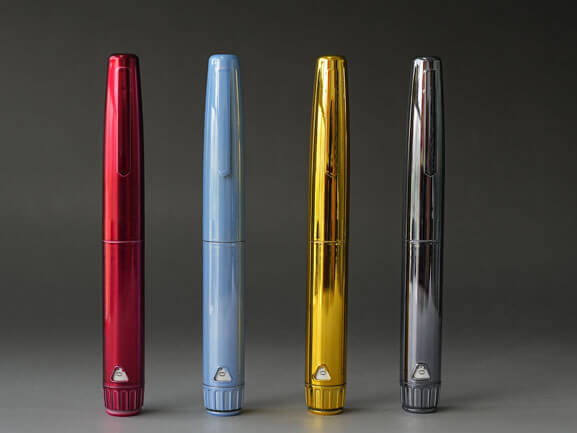
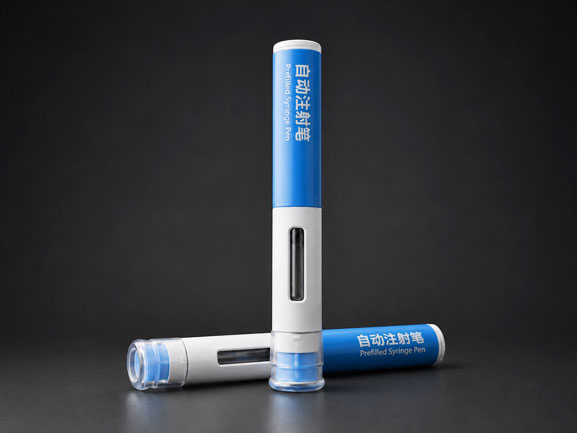
GLP-1 receptor agonist therapies have become one of the fastest-growing segments in the global pharmaceutical market. Originally developed for diabetes treatment, these peptide-based drugs are now widely used for metabolic disorders and weight management. Because GLP-1 medications require regular subcutaneous injection, reliable and patient-friendly delivery systems are critical for successful therapy adoption.
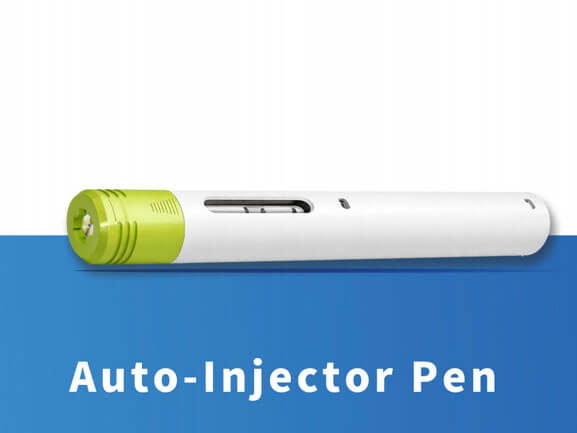
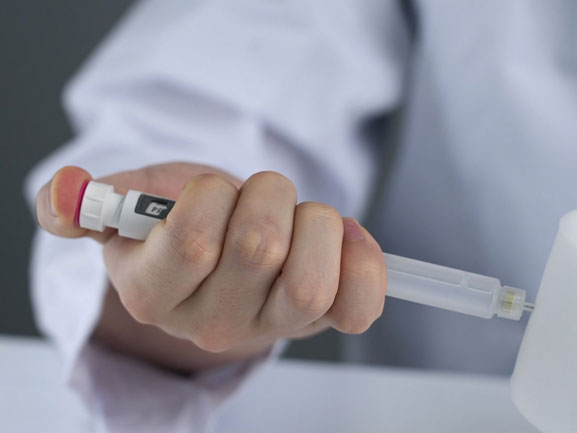
Injection pens have emerged as the preferred drug delivery device for GLP-1 therapies. These devices allow patients to self-administer precise doses with minimal training, improving treatment adherence and convenience.
Several widely used GLP-1 therapies, including Semaglutide and Tirzepatide, rely on pen injector systems to deliver medication accurately and safely.
Why Injection Pens Are Ideal for GLP-1 Therapies
Compared with traditional syringes, injection pens provide significant advantages for patients and pharmaceutical companies.
1. Precise Dose Control
GLP-1 therapies require highly accurate dosing to maintain therapeutic effectiveness. Injection pens are designed with dose-setting mechanisms that allow patients to select precise injection amounts.
This ensures consistent administration for chronic therapies that require regular injections.
2. Improved Patient Convenience
Injection pens simplify the injection process through ergonomic design and easy-to-use mechanisms.
Key benefits include:
Simple dose selection
Comfortable grip and injection angle
Reduced preparation steps
Portable pen-style format
These features significantly improve patient experience compared with traditional injection methods.
3. Reliable Self-Administration
Self-injection is essential for chronic therapies such as diabetes and obesity treatments. Pen injectors allow patients to safely administer medication at home without assistance from healthcare professionals.
For therapies such as Semaglutide, the pen format supports weekly dosing schedules that are easy for patients to follow.
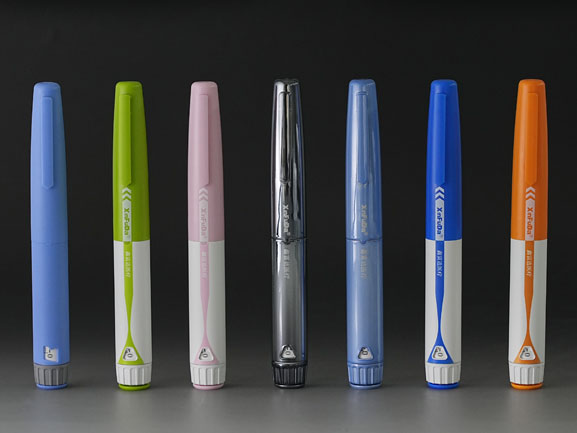
Types of Injection Pens Used for GLP-1 Drugs
Pharmaceutical companies generally use two types of pen injector systems for GLP-1 drug delivery.
Prefilled Injection Pens
Prefilled pens contain the medication cartridge integrated into a single disposable device.
Advantages include:
Ready-to-use design
Reduced preparation steps
Lower risk of contamination
Convenient for patients
Many GLP-1 therapies are delivered using prefilled injection pens.
Reusable Pen Injectors
Reusable pen injectors allow patients to replace drug cartridges while continuing to use the same pen device.
Benefits include:
Reduced device waste
Lower long-term costs
Multi-dose capability
Reusable pens are commonly used for chronic treatments requiring long-term therapy.
Design Challenges for GLP-1 Injection Pens
Developing injection pens for peptide therapies requires careful engineering and compatibility considerations.
High Dose Accuracy
GLP-1 drugs require precise dosing increments. The injection pen mechanism must maintain consistent dose delivery throughout the device’s lifespan.
Injection Force Optimization
Some peptide formulations may have higher viscosity than standard solutions. The device must deliver medication smoothly while maintaining a comfortable injection force for patients.
Patient Usability
Injection pens must be designed with human-factor engineering in mind. Clear dose indicators, intuitive controls, and ergonomic design are essential for ensuring safe patient use.
Role of Injection Pen Platforms in Drug Development
During drug development, pharmaceutical companies often evaluate injection pen platforms as part of their drug-device combination strategy. A well-designed pen injector can improve therapy adoption and differentiate a pharmaceutical product in competitive markets.
Modern pen injector platforms offer:
customizable dosing systems
compatibility with standard drug cartridges
patient-centered design
scalable manufacturing for commercial drug products
These features make injection pens a preferred solution for delivering peptide and biologic therapies.
Future Trends in GLP-1 Drug Delivery
As GLP-1 therapies continue to expand into new indications, injection device technology is also evolving. Future developments may include:
smart connected injection pens
improved ergonomic designs
lower injection force mechanisms
sustainable reusable device platforms
These innovations will further improve patient adherence and treatment outcomes.
Conclusion
Injection pens play a critical role in the success of GLP-1 therapies. By combining precise dose delivery with convenient self-administration, these devices enable patients to manage chronic conditions more effectively.
As demand for GLP-1 drugs such as Semaglutide and Tirzepatide continues to grow worldwide, reliable injection pen platforms will remain essential components of modern drug delivery systems.
For pharmaceutical and biotechnology companies developing GLP-1 therapies, selecting the right injection pen solution can significantly impact both patient experience and commercial success.


Copyright © Shijiazhuang Xinfuda Medical Packaging Co., Ltd. All Rights
MAKE AN ENQUIRY