A Guide for Biopharmaceutical Device Design and Drug Delivery Systems
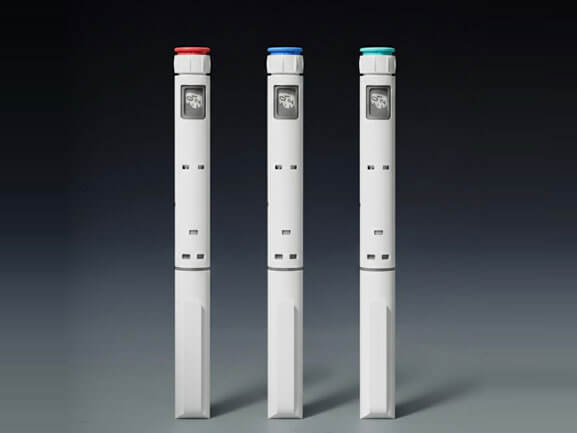
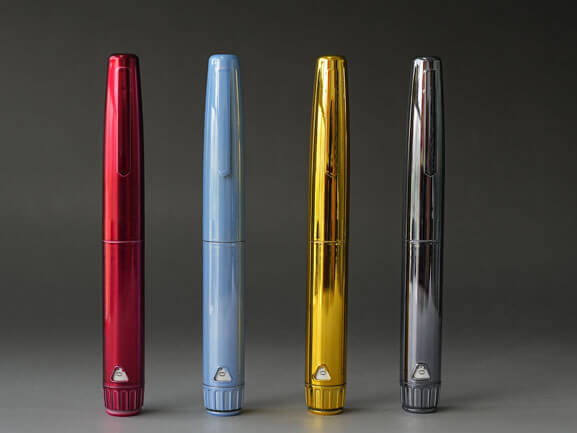
Injection pens have become the standard device for delivering many injectable therapies, particularly insulin and GLP-1 receptor agonists used in diabetes and metabolic disease treatment. While both therapies are administered through similar pen injectors, their dose units are fundamentally different.
Insulin pens typically measure doses in Units (U), while GLP-1 injection pens usually use milligrams (mg). Understanding the reason behind these different units is important for pharmaceutical companies, medical device engineers, and drug-device combination developers.
1. What Does “Unit” Mean in Insulin Pens?
In insulin therapy, the dose is measured in Units (U) rather than milligrams or milliliters.
Biological Activity Unit
A Unit of insulin represents a biological activity measurement, not a direct mass or volume. Historically, insulin potency was defined by its ability to reduce blood glucose levels in laboratory testing.
Because early insulin products were derived from animal sources with variable purity, scientists established a biological standard unit to ensure consistent therapeutic effect.
Today, insulin is manufactured using recombinant biotechnology, but the Unit system remains the global standard.
Standard Insulin Concentrations
Although insulin is measured in Units, it is packaged in standardized concentrations.
| Insulin Concentration | Meaning |
| U-100 | 100 Units per mL |
| U-200 | 200 Units per mL |
| U-300 | 300 Units per mL |
| U-500 | 500 Units per mL |
For example:
10 Units of U-100 insulin = 0.1 mL
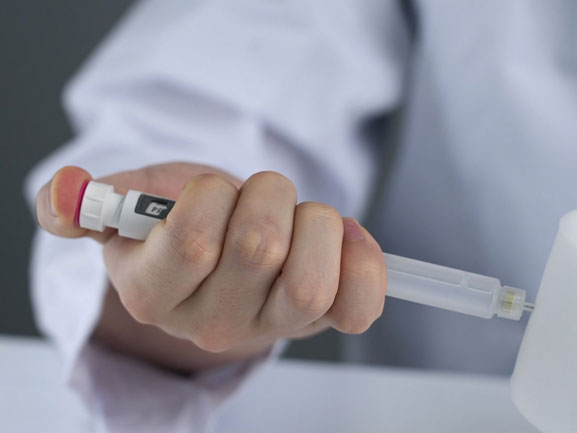
The injection pen converts the selected Unit dose into the corresponding volume of liquid delivered from the cartridge.
2. Why GLP-1 Pens Use mg Instead of Units
GLP-1 receptor agonists such as semaglutide, liraglutide, and tirzepatide are modern peptide drugs produced using precise biochemical manufacturing processes.
Because their purity and molecular structure are well defined, their dosage is expressed using mass units such as:
milligrams (mg)
micrograms (µg)
Typical GLP-1 Dosing Examples
| Drug Type | Typical Dose |
| GLP-1 starter dose | 0.25 mg |
| Maintenance dose | 0.5 mg – 2 mg |
| Weekly formulations | Up to 2.4 mg |
Unlike insulin therapy, GLP-1 dosing is determined by exact molecular quantity rather than biological activity measurement.
3. Impact on Injection Pen Design
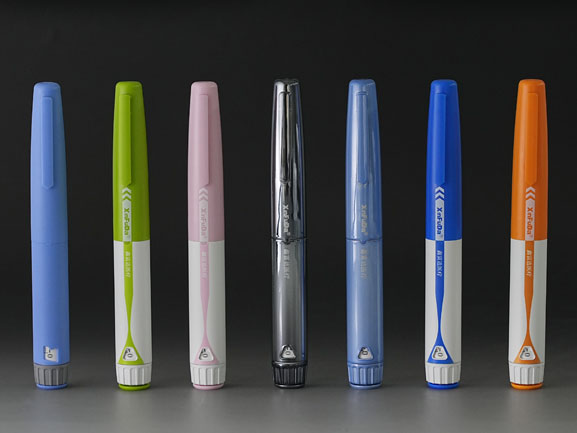
The difference between Units and mg dosing significantly affects the design of pen injectors.
Dose Dial Mechanism
Insulin pens usually support variable dosing, allowing patients to adjust their insulin intake depending on glucose levels.
Typical insulin pen characteristics:
Dose increments: 1 Unit or 0.5 Unit
Maximum dose: 60–80 Units
GLP-1 pens often use fixed-dose systems.
Examples:
Pre-set weekly injection pens
Limited dose selections (0.25 mg, 0.5 mg, 1 mg)
Cartridge and Drug Volume Design
Since insulin dosing is based on Units, cartridge volumes are designed around standard concentrations.
Example for U-100 insulin:
3 mL cartridge = 300 Units total capacity
GLP-1 cartridges are designed based on mass concentration, such as:
mg per mL formulation
fixed injection volume per dose
Patient Safety and Usability
Dose units also influence human factors engineering.
Insulin Pens
Patients frequently adjust doses daily. Therefore pens require:
clear dose dialing mechanisms
tactile and audible clicks
dose correction capability
GLP-1 Pens
Because many GLP-1 therapies are once-daily or once-weekly injections, pens prioritize:
simplified operation
fixed dosing
reduced user error
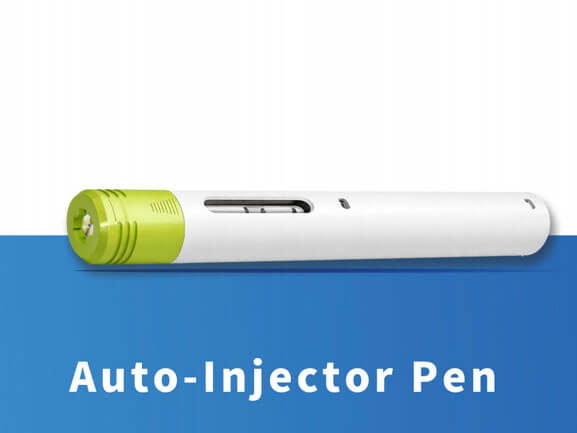
4. Why the Industry Maintains Two Different Unit Systems
The coexistence of Units and mg dosing reflects the historical evolution of drug development.
| Drug Type | Unit Type | Reason |
| Insulin | Unit (U) | Historical biological potency measurement |
| GLP-1 peptides | mg / 碌g | Defined molecular mass and concentration |
Changing insulin dosing from Units to mg would introduce significant safety risks, so regulatory agencies and manufacturers continue using the established Unit system.
Although insulin and GLP-1 drugs are often delivered using similar injection pens, their dose measurement systems are fundamentally different.
Insulin pens use Units (U) because insulin dosing historically depends on biological activity.
GLP-1 pens use milligrams (mg) because these drugs are modern peptide therapies with precise molecular dosing.
Understanding these units helps pharmaceutical developers design safe, accurate, and patient-friendly injection pen systems for next-generation injectable therapies.


Copyright © Shijiazhuang Xinfuda Medical Packaging Co., Ltd. All Rights
MAKE AN ENQUIRY