In August 2026, the U.S. FDA issued a draft guidance titled "Container Closure Systems for Human Drugs and Biological Products." Although the document is draft guidance, it sends a clear signal to pharmaceutical companies and packaging suppliers: container closure systems are not a secondary packaging detail. They are part of the product development, quality evaluation and regulatory submission conversation.
For companies developing injectable drugs, biologics, peptide therapies, oral solid dosage forms or drug-device combination products, the choice of container and closure system can influence product protection, compatibility, stability, sterility assurance and user experience.
This is especially important as the pharmaceutical market continues to move toward biologics, GLP-1 therapies, high-value injectable products, moisture-sensitive oral formulations and self-administration devices.
What is a container closure system?
A container closure system includes the packaging components that contain and protect a drug product. Depending on the dosage form, this may include vials, bottles, stoppers, caps, closures, seals, cartridges, syringes or other components that come into direct or indirect contact with the drug product.
For pharmaceutical buyers, this means packaging selection is not only about shape, material or price. It also requires discussion around:
- Drug compatibility
- Moisture protection
- Container closure integrity
- Sterilization method
- Extractables and leachables risk
- Storage and transportation conditions
- Filling and assembly requirements
- Regulatory documentation needs
When these questions are considered too late, packaging changes may delay development, validation or commercial launch preparation.
Why the FDA draft guidance matters now
The FDA draft guidance reinforces the importance of evaluating container closure systems based on the drug product's intended use, route of administration and risk profile.
For sterile injectables and biologics, container closure integrity and material compatibility are critical. For oral tablets and capsules, moisture protection and bottle performance may become a key part of product stability. For drug-device combination products, container and device components must be discussed together, because the packaging format may affect device function and user handling.
In other words, packaging is becoming more closely connected with formulation, delivery device design and regulatory strategy.
Impact on COP vials and RTU vial projects
COP vials and ready-to-use vial formats are often discussed for biologics, peptides and sensitive injectable products. Compared with traditional glass options, polymer containers may offer advantages such as breakage resistance, design flexibility and compatibility with automated handling systems.
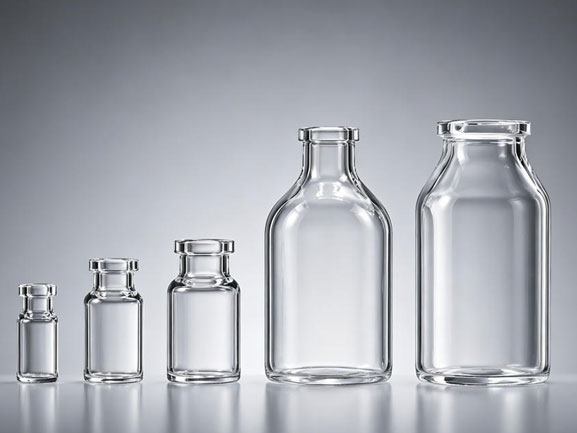
However, pharmaceutical companies still need to evaluate whether the selected container is suitable for the specific formulation and filling process. Key questions include:
- Is the vial suitable for the intended sterilization method?
- Does the container support the required container closure integrity?
- Are the stopper and closure compatible with the drug product?
- Can the format support clinical supply or commercial filling needs?
- What documentation is needed for customer evaluation and submission support?
For RTU vial projects, these questions become even more important because the container format is closely connected with aseptic processing, filling efficiency and validation expectations.
Impact on HDPE bottles and desiccant bottle packaging
The guidance also has practical relevance for solid dosage packaging. Many tablets, capsules, effervescent products, diagnostics and moisture-sensitive formulations require packaging that can protect against moisture during storage and distribution.
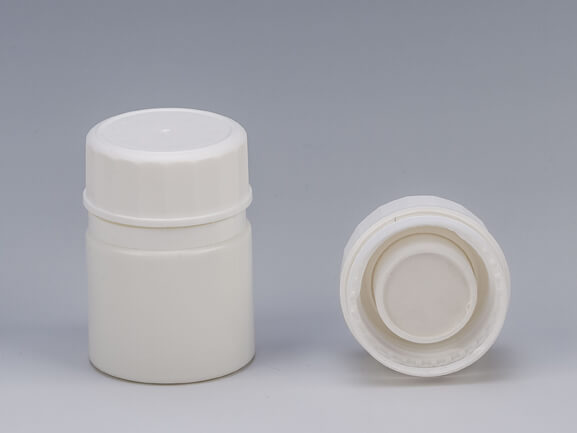
HDPE pharmaceutical bottles, child-resistant closures, desiccant caps and integrated desiccant bottle designs are not only convenience choices. They may be part of the product's moisture protection strategy.
For moisture-sensitive products, buyers may need to compare:
- Standard HDPE bottles
- Bottles with desiccant caps
- Integrated desiccant vials
- Desiccant canisters or packets
- Child-resistant closure systems
- Flip-top or screw-cap designs
The right choice depends on the product's moisture sensitivity, tablet count, target market, user group and storage requirements.
Impact on injection pens and combination products
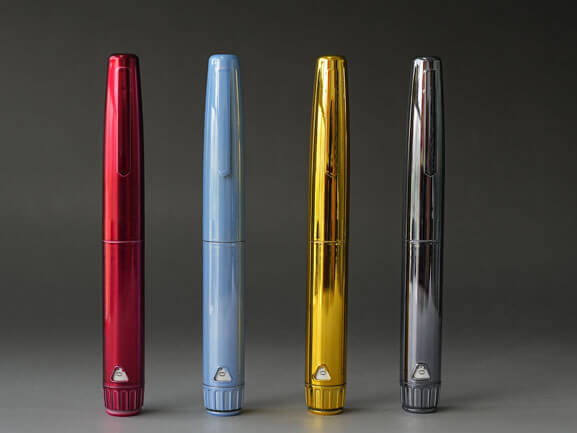
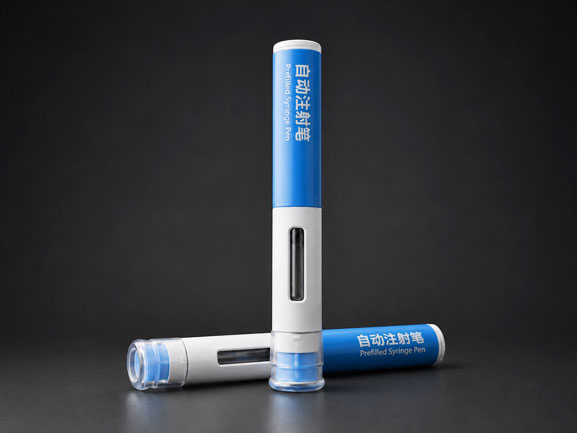
For injectable therapies delivered through prefilled syringes, cartridges, autoinjectors or injection pens, the container format and delivery device cannot be separated.
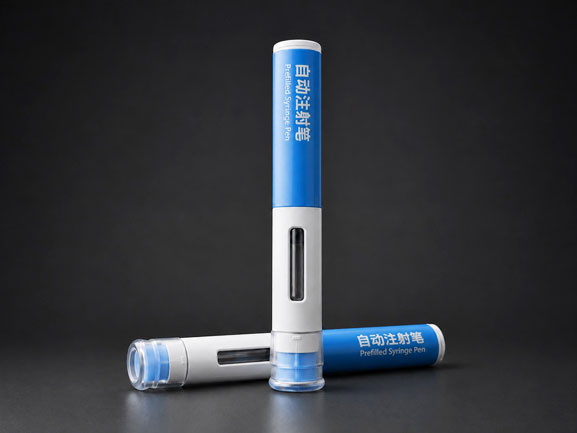
A prefilled syringe used in an autoinjector must match the device structure, activation mechanism, plunger movement and injection force requirements. A cartridge used in an injection pen must match the dose mechanism, cartridge dimensions, closure system and user operation workflow.
This is why combination product projects require early communication between formulation teams, packaging suppliers, device developers and manufacturing partners.
For pharmaceutical companies working on GLP-1 therapies, peptides, biologics or biosimilars, early packaging and device evaluation can reduce development risk and support a smoother path from sample testing to commercialization.
The FDA draft guidance is a reminder that packaging decisions should be made early, documented clearly and matched to the real needs of the drug product. For pharmaceutical companies preparing new product development, clinical packaging evaluation or supplier qualification, container closure system discussion should begin before the project reaches the final filling or submission stage.


Copyright © Shijiazhuang Xinfuda Medical Packaging Co., Ltd. All Rights
MAKE AN ENQUIRY