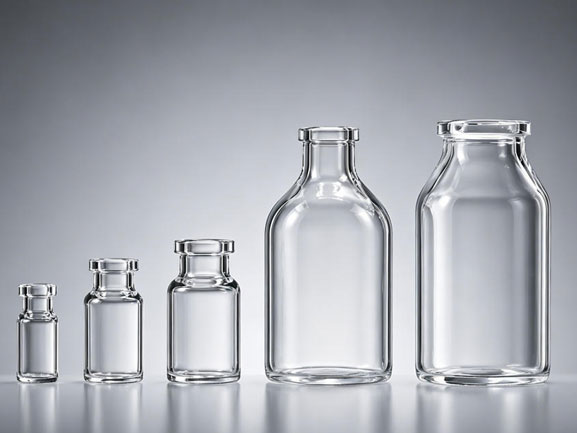
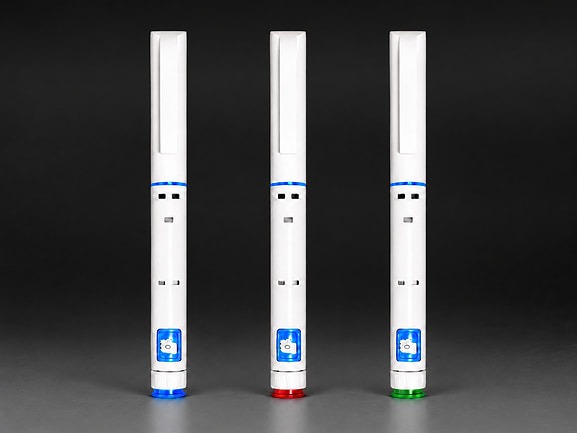
In July 2026, FDA published the draft guidance **Biosimilar and Interchangeable Biosimilar Products: Considerations for Container Closure Systems and Device Constituent Parts**.
FDA identifies it as Draft Level 1 Guidance that is not for implementation and contains non-binding recommendations. It is intended to help applicants develop container closure systems and device constituent parts for proposed biosimilar and interchangeable biosimilar products.
The industry impact is clear: biosimilar development cannot focus only on the drug substance. A vial, prefilled syringe, injection pen or autoinjector may influence product quality, delivery performance and user interaction.
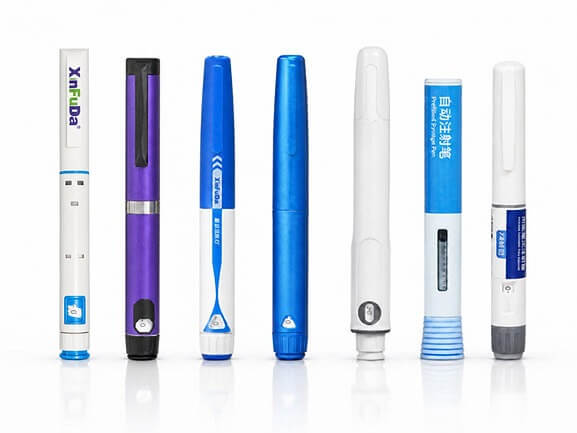
injecion pen types
Why Early Decisions Matter
A late container or device change can affect several workstreams at once. A new syringe, cartridge or stopper may change dimensional fit, delivery force, residual volume or stability. A different needle or activation method may introduce new use-related risks.
The container and device strategy should therefore develop alongside formulation, stability, clinical supply and regulatory planning.
Key Questions by Presentation
| Vial | CCI, compatibility, withdrawal, stopper and seal performance |
| Prefilled syringe | CCI, break-loose/glide, needle system and dose delivery |
| Injection pen | Cartridge fit, dose accuracy, operating force and user steps |
| Autoinjector | PFS fit, activation, injection time, feedback and holding time |
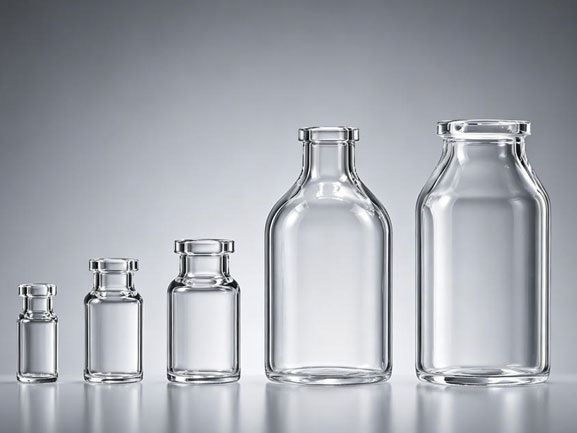
Compare More Than Appearance
A proposed biosimilar presentation should be evaluated against the reference presentation in a structured way. Relevant differences may include:
- container material and dimensions;
- stopper or plunger system;
- needle configuration;
- delivered and residual volume;
- injection force and time;
- dose presentation;
- visual, tactile or audible feedback;
- labeling and instructions;
- storage and handling.
The goal is not simply to copy the appearance of the reference product. The applicant needs to understand which differences could affect quality, delivery or use and determine what evidence is needed.
Container Closure Questions
For biologics, the packaging review should cover:
1. material and formulation compatibility;
2. container closure integrity;
3. extractables and leachables;
4. functional performance;
5. stability configuration;
6. fill-finish compatibility;
7. supplier change control.
For COP vials or other polymer containers, suitability should be established for the actual formulation and closure system rather than inferred from the material name alone.
Device Inputs to Define
Before contacting an injection device supplier, prepare:
- primary container drawing;
- target fill and delivered volume;
- fixed or adjustable dose;
- viscosity and expected injection time;
- needle format;
- intended users and markets;
- storage conditions;
- project stage and timeline.
These inputs allow suppliers to determine whether an existing platform is suitable for evaluation or whether additional customization is needed.
Platform Evidence Is Not Final Product Evidence
An established device platform can shorten early development, but it does not automatically support the final combination product.
The device supplier may provide platform specifications, drawings and selected verification evidence. The pharmaceutical company remains responsible for assessing the configured drug-device combination, including the commercial formulation, container, labeling and users.
Practical Actions for Biosimilar Teams
- Map container and device differences early.
- Connect CMC, device and human factors teams.
- Define supplier documentation before platform selection.
- Test representative container and needle configurations.
- Maintain clear responsibility for final validation.
- Monitor the FDA document because it remains draft as of October 29, 2026.
Frequently Asked Questions
1.Is the July 2026 FDA guidance final?
No. FDA identifies it as draft guidance, not for implementation.
2.Can a standard pen platform be used for a biosimilar?
Potentially, but the actual cartridge or PFS, dose, formulation, intended users and market requirements must be evaluated.
3.Why involve the fill-finish partner early?
The selected container must work with the formulation, filling process, closure and device. Early review can identify risks before validation plans are fixed.


Copyright © Shijiazhuang Xinfuda Medical Packaging Co., Ltd. All Rights
MAKE AN ENQUIRY