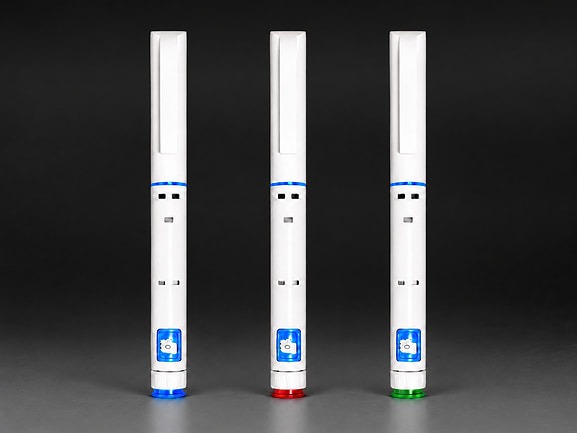
On May 29, 2026, the U.S. FDA issued the final guidance 'Content of Human Factors Information in Medical Device Marketing Submissions'. It introduces a risk-based framework for deciding what human factors information should be documented and included in certain device submissions.
For pharmaceutical companies developing injection pens or autoinjectors, the guidance reinforces an important point: usability cannot be added after the mechanism, cartridge and instructions are already fixed. The user interface, use-related risks, device performance and labeling need to develop together.
The guidance focuses on submissions to FDA's Center for Devices and Radiological Health. Combination product teams should also consider their specific drug or biologic pathway and FDA's human factors Q&A for combination products.
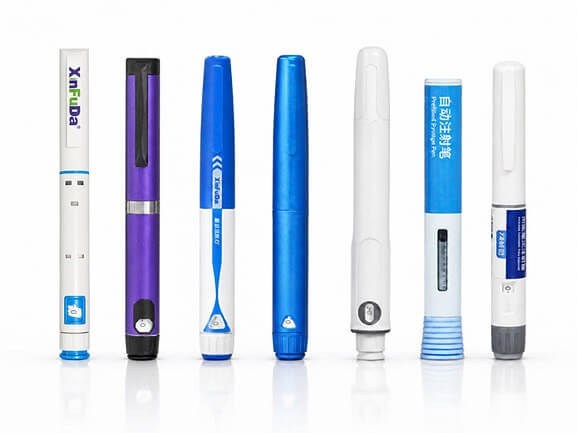
injecion pen types
Why It Matters to Injection Devices
An injection device user interface includes more than the housing. It may include the cap, dose selector, dose window, activation button, needle interface, viewing window, labels, carton and instructions for use.
For an injection pen, critical interactions may include attaching a needle, priming, selecting the correct dose and holding the device long enough to complete delivery. For an autoinjector, cap removal, orientation, activation and completion feedback can be equally important.
A platform that works for one therapy may still require product-specific evaluation when the dose, cartridge, viscosity, users or instructions change.
Start With the Drug and Container
Human factors decisions can be affected by technical inputs. A more viscous formulation may increase injection time. A different cartridge can change priming, dose display or operating force. A needle change may alter preparation and disposal steps.
Before selecting a device, teams should define:
- primary container format;
- target dose and dose range;
- fixed-dose or adjustable-dose operation;
- viscosity and expected injection time;
- intended users and market;
- needle configuration;
- labeling and packaging needs.
These inputs do not replace a human factors program, but they reduce the risk of choosing an unsuitable platform.
Questions to Ask a Device Supplier
1. Which features are fixed and which can be customized?
2. What cartridge or prefilled syringe information is required?
3. Can injection time, spring force or activation force be evaluated?
4. What drawings, samples and material information are available?
5. How are design changes controlled and communicated?
6. Which verification activities are handled by the supplier and which remain with the drug owner?
Clear answers help define responsibilities before costly testing begins.
What This Means for Pharmaceutical Companies
The 2026 guidance is not simply a documentation update. It encourages companies to connect risk management, interface design, formative research and submission planning earlier.
For injection pen and autoinjector projects, this means the primary container, mechanism, injection time, user feedback and packaging should be reviewed as one system. Late changes to any of these elements may affect human factors evidence.
How Xinfuda Supports Early Device Evaluation
Xinfuda supplies injection pen and autoinjector platforms for pharmaceutical and biotechnology projects. Early discussions can cover device format, cartridge or prefilled syringe fit, dose requirements, samples, mechanical configuration, appearance customization and packaging.
For an initial review, customers can provide a container drawing, target dose, viscosity information, intended market and development stage.
Xinfuda provides device manufacturing and project support. Final human factors strategy, validation, regulatory submission and market authorization remain the responsibility of the pharmaceutical product owner.
Frequently Asked Questions
1.Does the guidance apply to every injection pen in the same way?
No. The required human factors information depends on the product, submission pathway, users, interface and risk profile.
2.Can an existing platform eliminate human factors work?
No. Platform history may help, but the final drug, container, dose, labeling and intended users still require assessment.
3.Should packaging be included?
Yes, when the carton, tray, label or instructions influence identification, preparation or operation.


Copyright © Shijiazhuang Xinfuda Medical Packaging Co., Ltd. All Rights
MAKE AN ENQUIRY