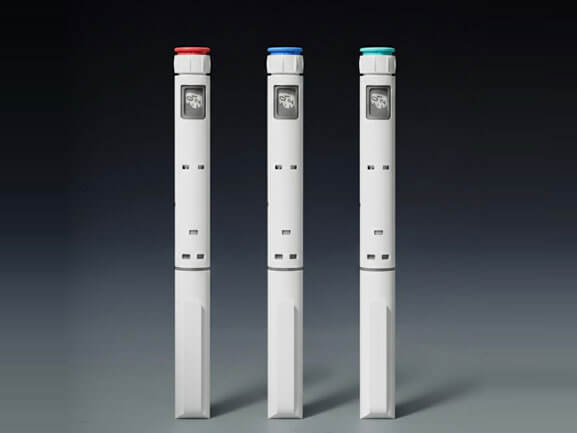
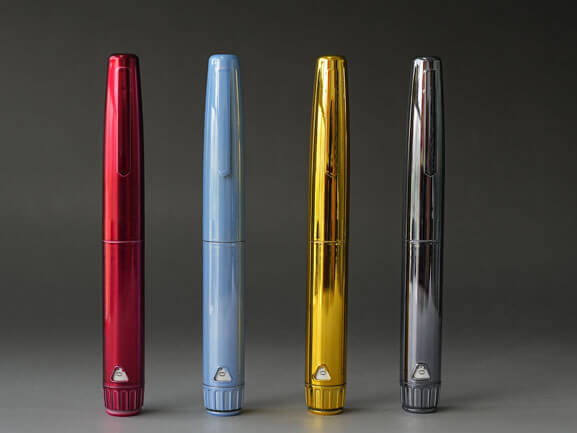
As peptide-based therapies continue to expand across metabolic, endocrine, and chronic disease treatments, selecting the right peptide injection pen has become a critical factor in drug development success.
Unlike small molecules, peptides often present unique challenges such as higher viscosity, stability limitations, and strict dosing requirements. Choosing the appropriate injection pen is essential to ensure accurate delivery, patient adherence, and regulatory compliance.
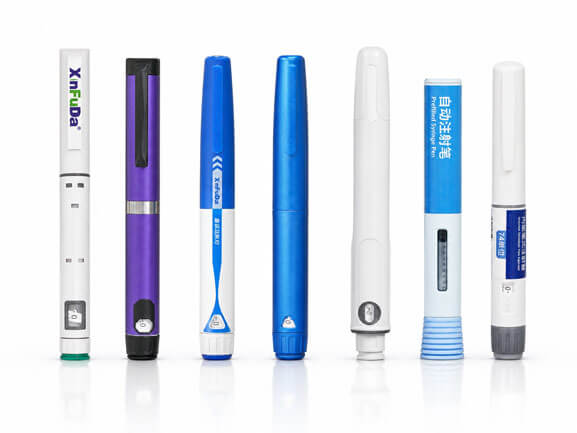
injecion pen types
1. Understand Your Drug Formulation
The first step in selecting a peptide injection pen is evaluating your drug characteristics:
Key Factors:
Viscosity – High-viscosity peptides require stronger delivery mechanisms
Stability – Some peptides degrade quickly in liquid form
Volume – Injection volume impacts device design
Sensitivity – Protein structure may be affected by mechanical stress
For example, GLP-1 therapies such as
Semaglutide and
Tirzepatide
require precise and consistent delivery systems.
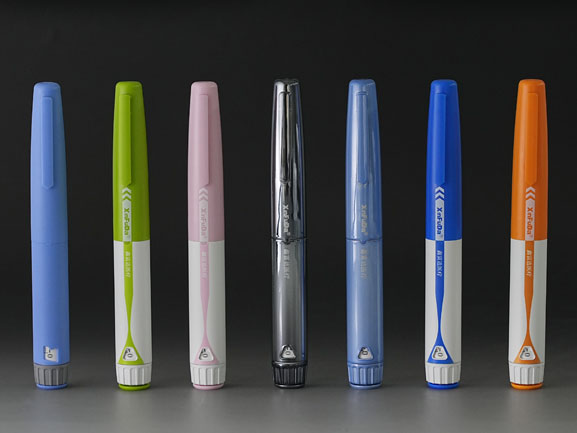
2. Choose Between Disposable and Reusable Injection Pens
Disposable Injection Pens
prefilled and ready-to-use
minimal user handling
ideal for large-scale commercial products
Reusable Pen Injectors
use replaceable cartridges
cost-effective for long-term therapies
more flexible dosing
How to Decide:
Mass market drugs → Disposable pens
Long-term therapies → Reusable pens
3. Evaluate Dose Accuracy and Injection Performance
Peptide drugs often require high dosing precision.
Key Considerations:
dose increment (e.g., 0.01 mL or unit-based)
injection force consistency
smooth delivery mechanism
A poorly designed device can lead to:
underdosing or overdosing
inconsistent therapeutic outcomes
4. Compatibility with Drug Containers
The injection pen must be compatible with your primary packaging:
standard cartridges (e.g., 3 mL)
prefilled syringes
dual chamber systems (if reconstitution is required)
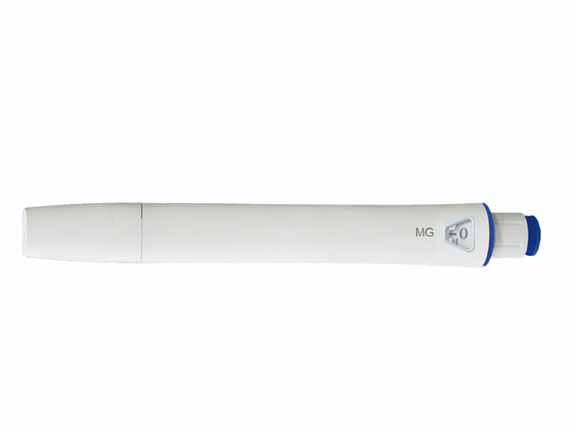
This is especially important for peptides with stability constraints.
5. Address High-Viscosity Challenges
Many peptide formulations exhibit high viscosity, which affects injectability.
Solutions:
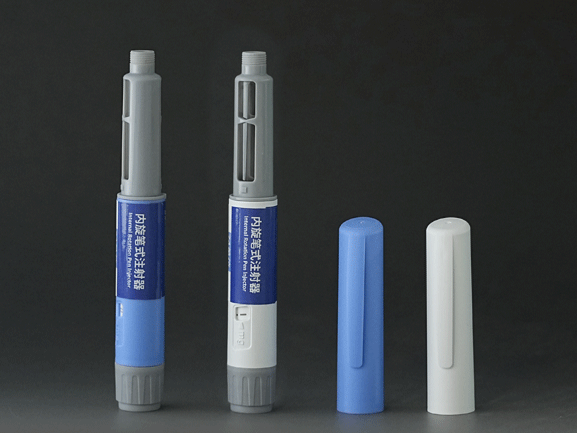
optimized internal mechanism (e.g., inner rotation systems)
controlled injection speed
robust spring or drive system
Failure to address viscosity can result in:
high injection force
device failure or jamming
6. Plan for Drug-Device Combination Development
Injection pens are part of a drug-device combination product, requiring alignment with:
formulation development
filling processes
regulatory pathways
Early collaboration with a device manufacturer can:
✔ reduce development risk
✔ shorten time-to-market
✔ ensure regulatory readiness
7. Manufacturing and Scalability
Your chosen injection pen must support:
large-scale production
consistent quality
automated assembly compatibility
Look for manufacturers with:
proven production capability
quality control systems
process validation experience
8. Future-Proof Your Product
Consider long-term strategy:
lifecycle management
line extensions
market differentiation
For example:
premium reusable pens → brand positioning
auto injectors → improved patient experience
Conclusion
Choosing the right peptide injection pen is a strategic decision that impacts drug performance, patient adherence, and commercial success.


Copyright © Shijiazhuang Xinfuda Medical Packaging Co., Ltd. All Rights
MAKE AN ENQUIRY