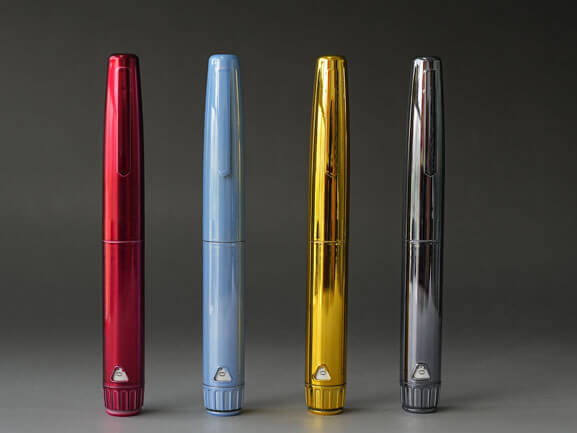
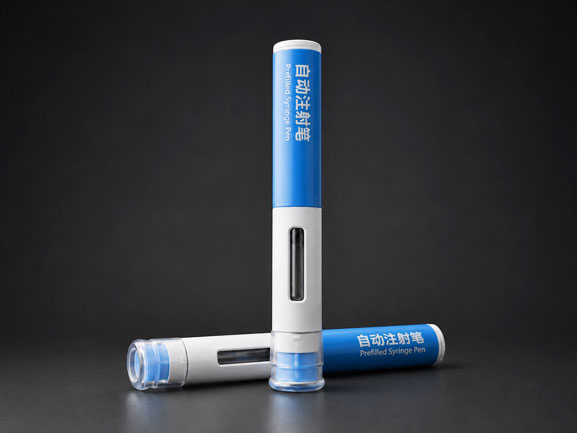
The global demand for GLP-1 therapies, used to manage diabetes and obesity, is growing at an unprecedented pace. While efficacy remains critical, pharmaceutical companies increasingly recognize that how a drug is delivered can be just as important as the drug itself.
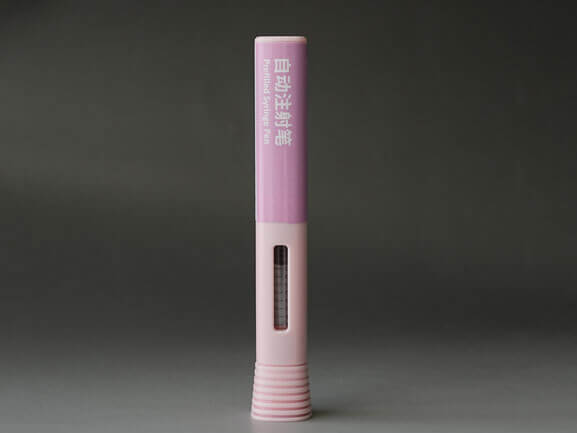
This shift has driven a major trend: the adoption of autoinjectors as the preferred delivery platform for GLP-1 therapies.
Meeting the Challenges of Self-Administration
GLP-1 therapies are often administered via subcutaneous injections, sometimes weekly. Patients face multiple challenges:
Needle anxiety: Many patients are reluctant or fearful of self-injection.
Complex preparation: Traditional pens require dose dialing, needle handling, and careful injection technique.
Adherence risks: Skipped or delayed doses can compromise therapy effectiveness.
Home administration: Patients increasingly prefer self-administration outside clinical settings.
Autoinjectors address these challenges by simplifying the injection process and minimizing patient stress.
How Autoinjectors Enhance Patient Experience
Autoinjectors, especially those with hidden needle designs, provide a safer, more intuitive injection experience:
One-step operation: Patients simply place the device on the skin and activate it.
Hidden needle technology: Reduces fear and increases confidence in self-administration.
Consistent dosing: Automated delivery ensures accurate medication administration every time.
Enhanced safety: Needle shielding reduces the risk of accidental needlesticks.
Improved adherence: Simplified, less intimidating injections encourage patients to follow their prescribed therapy.
These benefits are particularly important for GLP-1 therapies, which often require long-term or ongoing administration.
Business Benefits for Biopharma Companies
Switching to autoinjector platforms isn't just about patient comfort-it's a strategic decision with commercial impact:
Product differentiation: In a crowded GLP-1 market, a patient-friendly delivery device stands out.
Support for combination products: Modern drug-device integration improves the overall therapy experience.
Reduced training and support costs: Autoinjectors are intuitive, requiring less patient education.
Global scalability: Standardized autoinjector platforms streamline manufacturing and regulatory compliance.
In essence, autoinjectors enhance the value proposition of the therapy, improving market adoption and patient satisfaction.
Key Features Pharmaceutical Companies Look for
When selecting an autoinjector for GLP-1 therapies, biopharma companies evaluate:
Compatibility with GLP-1 formulations
Hidden needle safety mechanisms
Reliable and accurate dose delivery
User-friendly design with strong human factors engineering
Regulatory support and documentation
ISO 13485-certified manufacturing
Commercial-scale production capability
A well-designed autoinjector ensures both regulatory compliance and a superior patient experience-critical factors in today's competitive therapeutic market.
The Future of GLP-1 Drug Delivery
The next generation of GLP-1 therapies will likely feature higher doses, combination products, and biologic innovations. Autoinjectors will play a central role in:
Increasing home-based therapy adoption
Supporting patient self-management programs
Reducing healthcare system burden by minimizing clinic visits
Differentiating products in competitive markets
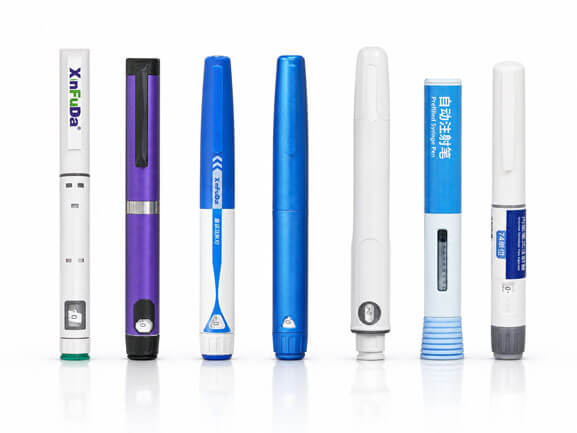
injecion pen types
For biopharma companies, the move toward autoinjectors for GLP-1 therapies is no longer optional-it's a strategic necessity. By combining safety, ease of use, and patient-centric design, autoinjectors improve adherence, enhance outcomes, and help products stand out in a competitive landscape.


Copyright © Shijiazhuang Xinfuda Medical Packaging Co., Ltd. All Rights
MAKE AN ENQUIRY