For biopharmaceutical companies, product stability is a key factor determining their R&D speed, registration success rate, and commercial value. USP <1049.1> was developed to address the challenges posed by the inherent complexity and instability of biologics (compared to chemical drugs).
It provides a unified framework: It offers a modern and harmonized framework for stability studies of biotechnology drugs, helping companies design more efficient and scientific development plans.
It covers the entire product lifecycle: The guidelines extend throughout the entire product lifecycle, from early-stage R&D to post-market management, ensuring the consistency and continuity of research.
It focuses on practical applications: It not only focuses on the product's stability during its shelf life but also emphasizes that product stability must be guaranteed from the time of manufacture until it is used by the patient.
Seven Core Sections
According to the latest draft, USP <1049.1> mainly comprises the following seven core sections:
1. Stability Strategy and Design
The general principles section begins by explaining how to design stability protocols based on the following factors:
Storage conditions: Long-term storage is typically 5°C or lower, supplemented by accelerated conditions (25°C or 30°C) and stress conditions (37°C or 40°C)
Product type: Different categories such as recombinant proteins and monoclonal antibodies
Formulation and containers: The impact of packaging systems on stability
2. Full lifecycle application
Different stages of research and development have different requirements for stability studies:
Preclinical: Simple but meaningful studies, usually requiring only one batch.
Early Clinical: Requires real-time data to support clinical efficacy and patient safety.
Late Clinical: Requires at least three batches, and the process must be commercially representative.
Market Approval: Includes comprehensive stability testing (temperature cycling, vibration, light exposure, etc.).
3. Container and Condition Representativeness
Emphasis is placed on using representative primary packaging (e.g., glass bottles, syringes) for studies. Storage orientation (upright vs. inverted) may affect product stability, and some packaging (e.g., semi-permeable bags) requires humidity control.
4. Extended Stability Studies
General guidelines recommend conducting additional studies to simulate real-world scenarios:
Temperature Fluctuations: Simulating transportation conditions
Shock Studies: Assessing mechanical stress during transportation
Light Stability: Assessing the effects of light
In-use Stability: Such as stability after reconstitution or administration
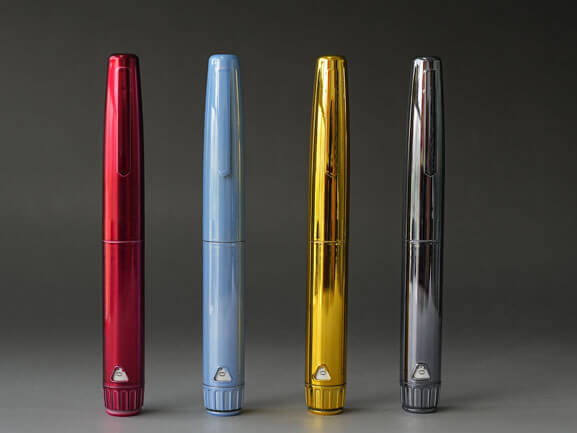
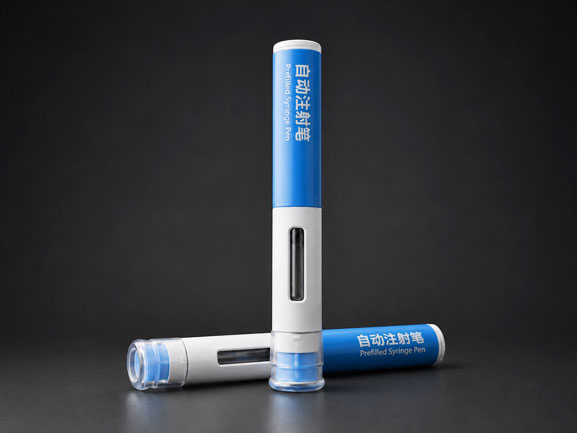
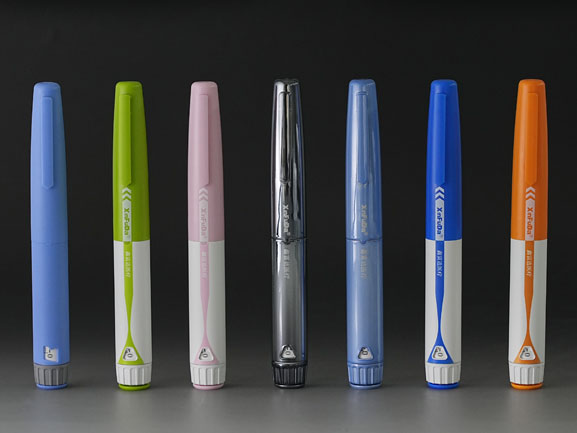
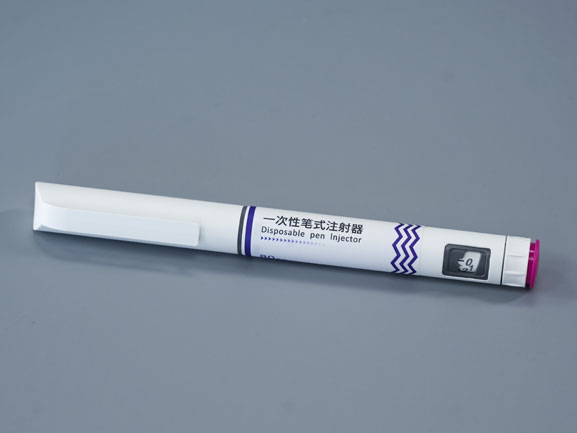
Drug-device Combination Products Studies: Such as auto-injectors, wearable injectors
5. Statistical Analysis and Evaluation
Use statistical models (linear, nonlinear) to analyze stability data and derive shelf life with statistical confidence intervals. General guidelines also distinguish between shelf-life estimation and stability trend analysis and describe procedures for handling out-of-trend results.
6. Post-Approval Changes
Provide a risk-based assessment approach for post-marketing changes. With a thorough risk assessment, it may be permissible to reduce study batches, shorten study periods, or adjust study conditions.
7. Analytical Method Validation and Selection
It is emphasized that analytical methods that indicate stability must be used. Special requirements exist for bioactivity assays (such as bioassays), and methods must be tailored to specific degradation pathways.
Current Status and Access Methods: USP <1049.1> is currently still in the draft stage, and the public comment period ended in September 2025. Please closely monitor the United States Pharmacopeia (USP) website for the final official version.


Copyright © Shijiazhuang Xinfuda Medical Packaging Co., Ltd. All Rights
MAKE AN ENQUIRY