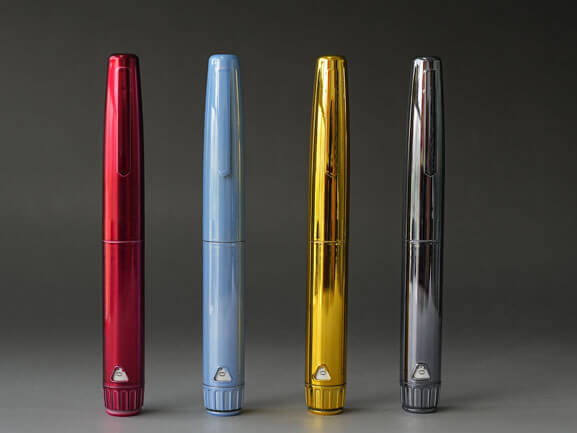
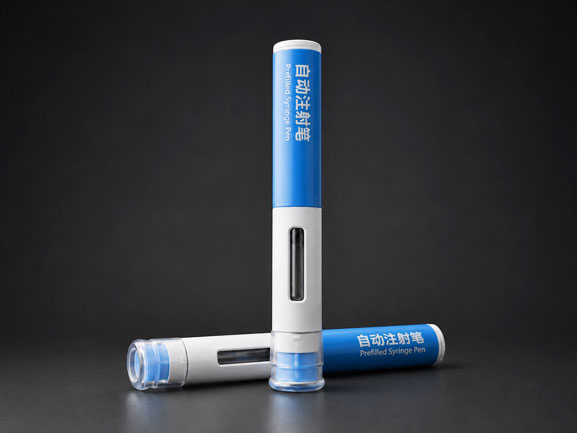
The development of USP <1157> marks a more systematic and harmonized phase in USP's approach to regulating combination products. For manufacturers of injection pens, prefilled syringes, and similar products, understanding this chapter's content framework enables early incorporation of relevant considerations into product development, ensuring compliance and enhancing product quality.
USP <1157> Core Content Structure
| Section | Key Content |
| 1. Scope | Defines the applicability of the chapter, clarifying its focus on quality and performance testing of the drug component within combination products, rather than the medical device itself. |
| 2. Definitions | Provides key terminology definitions related to combination products to ensure consistency in communication and understanding. |
| 3. Types and Classification of Combination Products | Systematically describes combination product types as defined by 21 CFR Part 3, including: single entity (e.g., drug in a prefilled syringe), co-packaged (e.g., vial and syringe in the same package), and cross-labeled (e.g., separately packaged but labeled for use together). |
| 4. Overview of Device-Related Monographs and General Chapters | Summarizes and introduces currently published USP monographs and general chapters related to medical devices, helping readers quickly understand existing standards. |
| 5. Flow Diagram: Application Scope of USP in Medical Device Development | Provides a clear flow diagram defining: when to use USP standards for developing medical device quality tests, and when to reference monographs for quality testing of the drug component in combination products. |
| 6. Recommendations for Quality and Performance Testing of Device-Based Products | Offers quality and performance testing recommendations for device-based products. |
| 7. Combination Product Characterization Considerations | Focuses on special considerations for combination products, such as extractables and leachables studies and other specific tests. |
| 8. Discussion of Challenges Related to Combination Products | Explores unique challenges faced in the development, testing, and regulation of combination products. |
| 9. References | Lists relevant literature and reference materials used in developing this chapter. |
The Chapter's Two Core Objectives
According to USP's official explanation, <1157> has two primary purposes:
Provide discussion of existing USP device monographs and general chapters: Helping readers understand published USP standards related to medical devices.
Provide recommendations for quality and performance testing of the drug component in combination products: Offering guidance for testing the pharmaceutical portion.
Important Boundary: Unless specifically indicated in a USP monograph or general chapter, testing of the medical device itself is outside the scope of this chapter.
Applicability and Target Audience
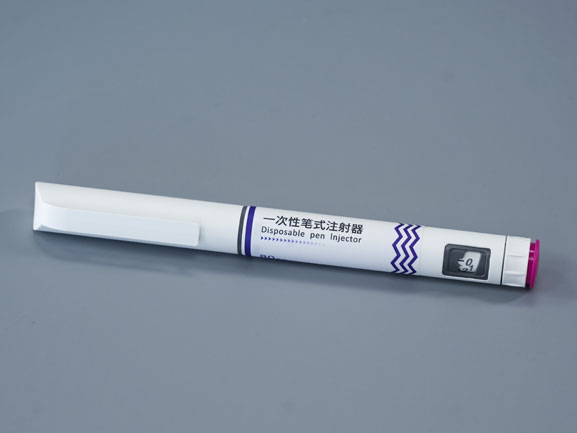
Applicability: Applies to various combination products, including prefilled syringes, injection pens, drug-coated stents, drug-impregnated dressings, etc.
Target Audience: Medical device suppliers and manufacturers, testing laboratories and QA/QC experts, regulatory agencies for combination products.
Current Status
Proposal Publication Date: May 31, 2024
Comment Deadline: June 30, 2024
Expected Publication: To be published in Pharmacopeial Forum 51(5)
USP <1157> represents an important step forward in the regulatory framework for drug-device combination products. By providing clear guidance on quality testing of drug components, it helps manufacturers ensure product safety, efficacy, and compliance.


Copyright © Shijiazhuang Xinfuda Medical Packaging Co., Ltd. All Rights
MAKE AN ENQUIRY