COP(Cyclo-Olefin Polymer) and COC(Cyclo-Olefin Copolymer) vials are increasingly discussed in pharmaceutical, biologic and aesthetic packaging projects where transparency, break resistance, low protein adsorption concern and premium container appearance are important. For aesthetic clinics, medical beauty brands, biotech companies and CDMO customers, choosing the right polymer vial is not only about material selection, but also about product presentation, transport protection, storage condition and closure compatibility.
This article compares COP and COC vials from a B2B packaging perspective, including transparency, moisture barrier, break resistance, temperature resistance, protein adsorption concern and typical application areas.
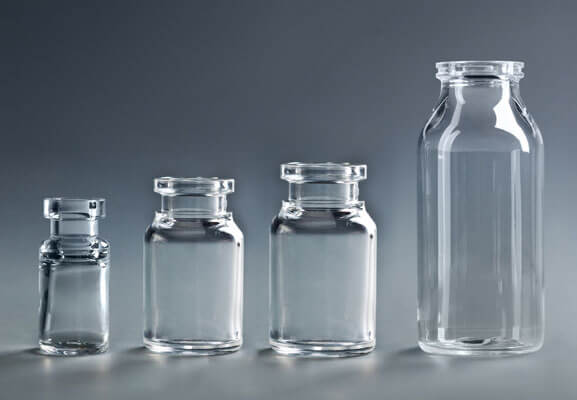
Polymer Vial for cell and gene therapies
What Are COP and COC Vials?
Both COP and COC are types of cyclo-olefin-based plastics. These materials were developed to address the limitations of traditional glass vials, which can be fragile and susceptible to chemical interactions. COP and COC vials are used in various fields, including pharmaceuticals, cosmetic medicine, and biotechnology, to store sensitive products like injectables, drugs, and even diagnostics.
Though they share many benefits over glass vials, COP and COC vials have distinct characteristics that make them suitable for different types of applications.
Key Differences Between COP and COC Vials
| Comparison Point | COP Vials | COC Vials |
| Material Structure | Cyclo olefin polymer, made from cyclo-olefin monomers with strong structural stability. | Cyclo olefin copolymer, made from cyclo-olefin and comonomer materials with high rigidity. |
| Transparency | High transparency, suitable for visual inspection in pharmaceutical and aesthetic packaging projects. | Very high optical clarity, often considered when appearance and inspection visibility are the main priorities. |
| Break Resistance | Stronger break resistance and better handling performance during filling, transport and clinical supply discussion. | Rigid and lightweight, but may be more sensitive to cracking under pressure or harsh handling conditions. |
| Moisture Barrier | Strong moisture barrier performance, suitable for moisture-sensitive packaging evaluation. | Good chemical resistance, but generally more moisture-permeable than COP for sensitive packaging projects. |
| Temperature Resistance | Suitable for low-temperature, frozen and cryogenic storage evaluation, depending on the closure system and project validation. | More suitable for controlled storage conditions and less demanding temperature environments. |
| Protein Adsorption Concern | Often discussed for biologic, peptide, exosome and cell and gene therapy packaging evaluation where low protein adsorption is a concern. | Can be used in many diagnostic or transparent container projects, but should be evaluated based on formulation requirements. |
| Aesthetic Packaging Use | Suitable for premium aesthetic injectable packaging, small-volume vial projects and brands that need strong appearance plus transport protection. | Suitable for aesthetic packaging projects where high clarity, rigid appearance and cost control are key priorities. |
| Typical Applications | Biologic packaging, aesthetic injectable packaging, RTU sterile vials, cell and gene therapy packaging, low-temperature storage evaluation. | Aesthetic packaging, diagnostic packaging, optical inspection projects and cost-sensitive transparent container applications. |
| Selection Focus | Choose COP when break resistance, moisture barrier, low-temperature storage and sensitive material handling are important. | Choose COC when optical clarity, rigidity and cost control are the main project considerations. |
COP Vials: COP vials, on the other hand, are typically more expensive but offer a wider range of applications due to their superior strength, temperature resistance, and chemical inertness. For high-end cosmetic injectables and pharmaceuticals, COP vials are worth the investment.
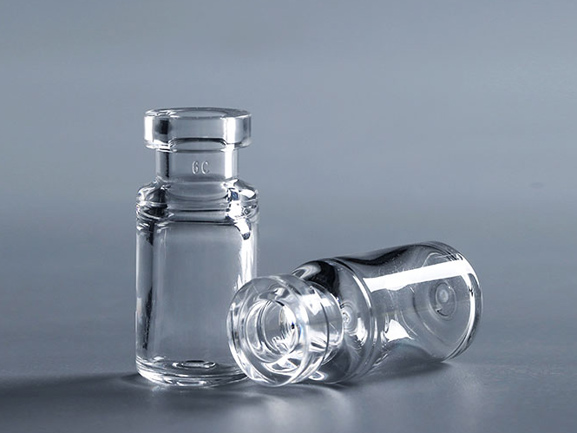
RTU(ready to use) 2ml COP vial
When to Choose COP or COC Vials?
Choose COP Vials if your application requires:
Superior strength and breakage resistance
High resistance to moisture and chemicals
The ability to handle extreme temperatures (hot or cold)
Long-term storage of sensitive injectables (cosmetic, medical, or pharmaceutical)
Choose COC Vials if you need:
High optical clarity and transparency for visual inspections
A more cost-effective solution for non-sensitive applications
Rigid but lightweight vials in controlled environments
Conclusion
While both COP and COC vials are excellent alternatives to traditional glass vials, the right choice depends on your specific needs. COP vials offer superior strength, moisture resistance, and thermal stability, making them ideal for sensitive pharmaceutical and cosmetic applications. COC vials, on the other hand, shine in applications that require high transparency and a more cost-effective solution.
By understanding the differences between COP and COC vials, you can make an informed decision that ensures the safety, effectiveness, and longevity of your products.


Copyright © Shijiazhuang Xinfuda Medical Packaging Co., Ltd. All Rights
MAKE AN ENQUIRY