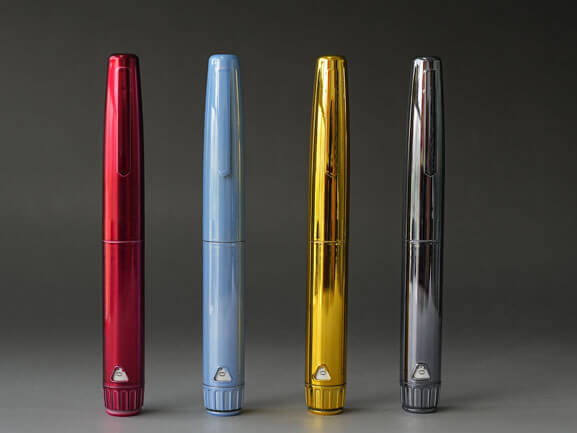
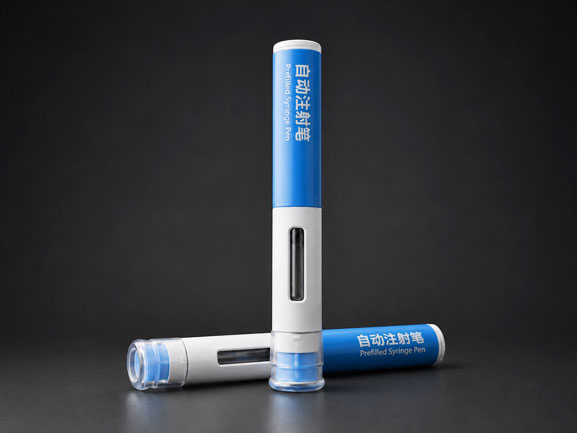
This study delves into how cyclic olefin polymer (COP) vials provide crucial packaging support for pre-filled syringes, automated injection pens, and other drug-device combination products. It explores their unique advantages in drug compatibility, device integration, and regulatory compliance.
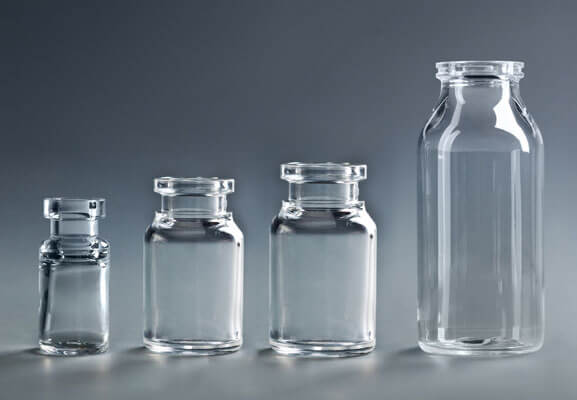
Polymer Vial 2ml 5ml 10ml for cell and gene therapies
A Packaging Revolution for Drug-Medical Device Combinations: How COP Vials Are Reshaping Standards for High-End Drug Delivery Systems
In the wave of integration and innovation in the pharmaceutical industry, drug-medical device combinations are becoming an important development direction in the therapeutic field. From pre-filled syringes to intelligent automated injection pens, the core of these innovative drug delivery systems lies not only in their precise mechanical design but also in the crucial container that carries the drug—the vial. While traditional glass vials are widely used, their limitations are becoming increasingly apparent when dealing with high-value biologics and complex drug formulations.
Cyclic olefin polymer (COP) vials, as a new generation of packaging materials, are becoming the preferred solution for high-end drug-medical device combinations due to their superior material properties. This article will delve into the application advantages and technical characteristics of COP vials in drug-medical device combinations.
I. Breakthrough in Materials Science: Core Technological Advantages of COP Vials
The molecular structure of COP materials determines its unique combination of properties:
1. Ultra-low Drug Adsorption and Excellent Compatibility
Protein adsorption rate <0.01mg/cm², far lower than traditional glass (0.05-0.2mg/cm²)
Almost no adsorption of biologics, monoclonal antibodies, and peptide drugs
Reduces drug loss and ensures accurate dosage
2. Superior Transparency and Optical Properties
Light transmittance >92%, providing ideal conditions for visual inspection systems
Supports level recognition and bubble detection functions for autoinjectors
Facilitates drug status checks by medical personnel
3. Excellent Chemical Stability
Wide acid and alkali resistance range (pH 2-10)
Low leaching levels simplify biocompatibility assessment
Good compatibility with silicone oil, rubber, and other instrument components
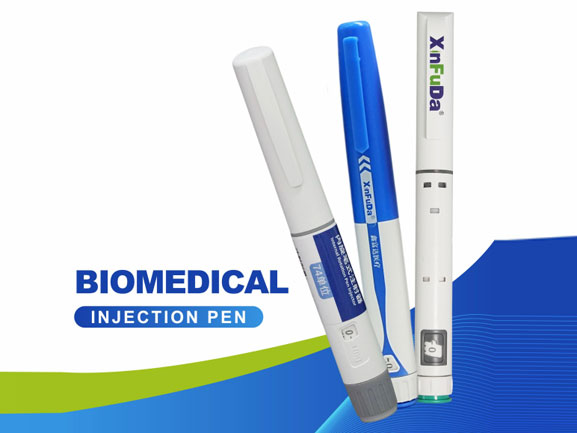
II. Deep Integration with Medical Devices: Four Major Application Scenarios
1. Pre-filled Injection Systems
The high transparency and dimensional stability of COP vials make them excellent for high-speed filling lines. Their excellent compatibility with syringe components reduces breakage rates during production and improves overall production efficiency.
III. Regulatory Compliance and Quality Control
1. Global Standards Compliance
Complies with USP<660>, EP 3.2.1, and other pharmacopoeia standards.
Meets ISO 10993 biocompatibility requirements.
Supports FDA 21 CFR Part 4 combination product applications.
2. Complete Quality System
Full-process quality control from resin to finished bottle.
Comprehensive database of extractables and leachables.
GMP-compliant cleanroom production environment.
3. Application Support
Provides complete pharmacopoeia documentation support.
Assists with packaging system validation.
Supports registration applications in major global markets.
IV. Economic Benefit Analysis
Although the unit price of COP vials is higher than that of traditional glass bottles, the overall benefits are significant:
Reduced drug loss: Reduced adsorption can save 5-15% of high-value drugs.
Increased production efficiency: Lower breakage rate and higher filling speed.
Simplified validation process: Mature material data packages shorten development time.
Enhanced product competitiveness: Differentiated packaging enhances brand value.
2. Automated Injection Pen Platforms
In fields such as diabetes and autoimmune diseases, automated injection pens require precise drug delivery. The low coefficient of friction of COP vials ensures smooth piston movement, while their transparency supports the operation of visual feedback systems.
3. Micropump Infusion Systems
For scenarios requiring continuous drug delivery, such as analgesic pumps and insulin pumps, the chemical inertness of COP vials ensures drug stability during long-term storage, while their mechanical strength can withstand pumping pressure.
4. Emergency Drug Delivery Devices
Emergency devices such as epinephrine auto-injectors have extremely high requirements for the long-term stability of packaging. The high water vapor barrier properties of COP material (WVTR < 0.3 g/day·m²) ensure drug efficacy in extreme environments.
V. Key Considerations for Supplier Selection
When selecting a COP vial supplier, the following aspects should be carefully evaluated:
Technical Capabilities: Does the supplier have a complete materials science team and R&D facilities?
Quality System: Is the supplier certified to ISO 13485 Medical Device Quality Management System?
Supply Capacity: Can the supplier guarantee a stable, large-scale supply?
Technical Support: Does the supplier provide full technical support from design to application?
Compliance Record: Does the supplier have successful global registration and application experience?


Copyright © Shijiazhuang Xinfuda Medical Packaging Co., Ltd. All Rights
MAKE AN ENQUIRY