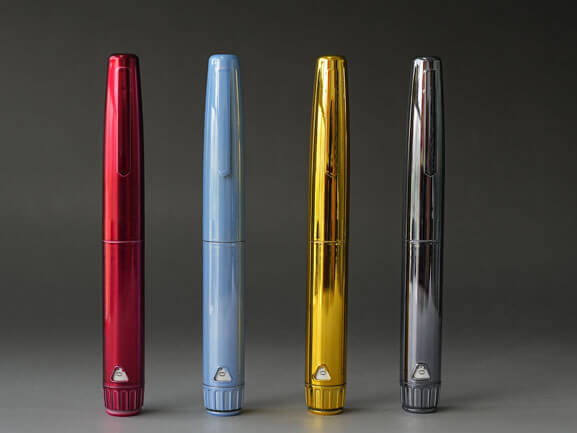
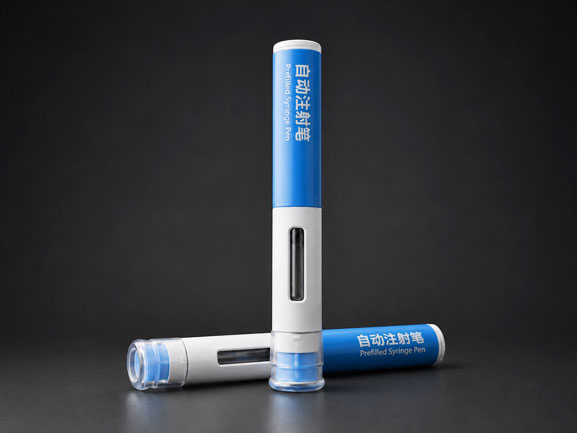
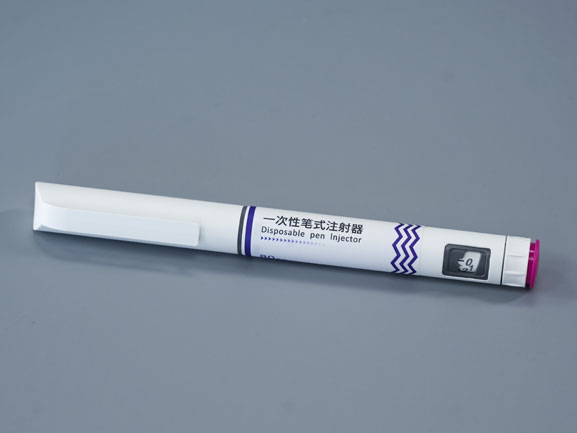
As a precision drug delivery system, the stringent quality control requirements for pen injectors are self-evident. Each pen undergoes numerous precise tests to ensure stable and safe drug delivery in clinical use. Needle connection strength and cap release force are two key physical performance indicators, respectively ensuring accurate drug delivery during injection and maintaining sterility before injection.
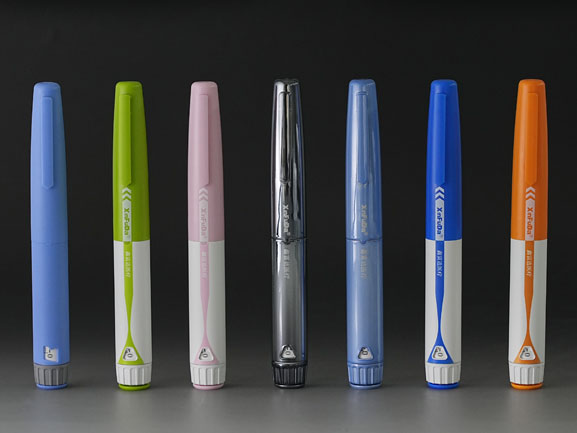
Importance and Standard Requirements of Needle Connection Strength Testing
The connection quality between the injection pen needle and the pen body directly affects the accuracy and safety of drug delivery. A loose connection may lead to drug leakage, wasting medication and causing inaccurate dosage; while a tight connection may affect normal use or even damage the connection structure. Appendix F of YY/T 1768.2-2021 "Medical Needle Injection Systems – Requirements and Test Methods – Part 2: Needles" clearly specifies the torque test requirements for the compatibility of the needle and injection system.
The standard specifies the test parameters and methods in detail:
Assembly Torque: The standard specifies an applied assembly torque of (0.07±0.01) N·m, clockwise.
Holding Time: The torque must be held for at least 10 seconds after application to verify the stability of the connection.
Disassembly Torque: The peak disassembly torque in the counterclockwise direction must be recorded; this value should be less than 0.100 N·m.
Acceptance Criteria: The needle assembly torque value should be within the range of 0.060 N·m to 0.080 N·m, indicating a strong and stable connection.
Operational Procedures and Instrument Requirements for Needle Connection Strength Testing
The needle connection strength testing procedure must strictly follow the standard operating procedures to ensure the accuracy and repeatability of the results. Pre-test preparation is crucial. First, load the applicable cartridge into the reusable syringe pen (if applicable). For one-piece syringes, use the internal liquid directly. Next, an additional needle is used to infuse the injection pen until a stream of fluid emerges from the needle tip, ensuring full contact between the pen's actuating assembly and the piston. After this pre-drainage process, the additional needle is removed.
The testing procedure is as follows:
Secure the injection pen: Securely fasten the injection pen in the clamping device of the torque tester.
Connect the needle: Connect the test needle to the injection pen.
Apply torque: Start the instrument, automatically apply a clockwise assembly torque of (0.07±0.01) N·m, and record the peak assembly torque.
Maintain connection: Start the timer and maintain the torque for at least 10 seconds.
Record disassembly torque: Apply a counterclockwise disassembly torque and record the peak disassembly torque.
Professional testing equipment is fundamental to ensuring test accuracy. For example, the Sanquan Zhongshi XGY-03S insulin pen needle torque tester can automatically apply torque with a resolution of ±0.001 N·m, significantly reducing human error. This instrument can firmly clamp the needle and injection system, and is particularly suitable for testing threaded needles.
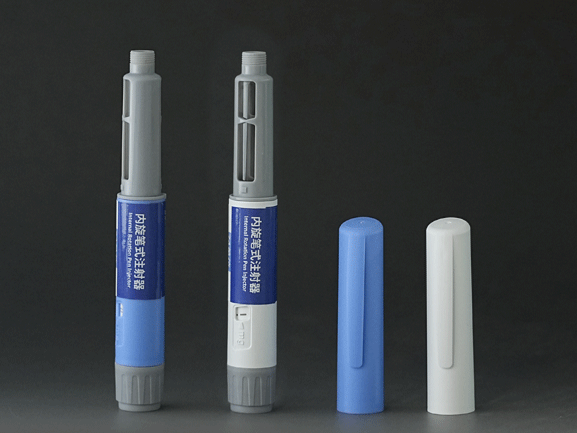
Significance and Methods of Pen Cap Separation Force Testing
Pen cap separation force is another key indicator for evaluating the performance of an injection pen, directly related to its sealing and safety. Appropriate pen cap separation force ensures the pen cap remains sealed before use, preventing microbial contamination, and allows users (including those with arthritis or weak hands) to easily remove the cap. The pen cap separation force test primarily assesses the force required to remove the cap from the injection pen body. While standards may vary between different products and manufacturers, the testing principles are generally consistent:
Testing Instruments: Pen cap separation force testing typically uses a tensile testing machine or a materials testing machine.
Testing Method: The injection pen body is fixed, and the instrument applies force to pull the cap away, recording the maximum force required to separate it.
Speed Control: The test speed is typically controlled at 200 mm/min ± 20 mm/min to simulate real-world usage conditions.
Evaluation criteria for pen cap separation force testing are usually based on usability considerations. Excessive separation force may make it difficult for users to remove the pen cap, affecting the user experience; while insufficient separation force may fail to provide sufficient sealing, increasing the risk of contamination.
Application of Professional Testing Equipment in Injectable Pen Quality Control
Modern injectable pen manufacturing processes rely on high-precision testing equipment for quality control. Professional equipment such as torque testers and tensile testers can automate the testing process, significantly improving testing efficiency and result consistency. Taking the Sanquan Zhongshi XGY-03S torque tester as an example, this equipment has the following technical features:
High-precision measurement: Employs a high-precision torque sensor to ensure the accuracy and reliability of measurement results.
Automated operation: Fully automated operation reduces human intervention and ensures data consistency.
Data recording function: Automatically records peak torque during assembly and disassembly, ensuring traceability of test results.
In addition to needle connection firmness and pen cap separation force testing, complete quality control of injectable pens includes multiple stages such as airtightness testing, sliding performance testing, and excitation force testing.
These tests collectively ensure the reliability and safety of injectable pens in actual use. For example, the sliding performance test ensures smooth operation of the injection button; the actuation force test ensures that the operating force of the injection button meets design requirements; and the airtightness test ensures that the injection pen does not leak.
Test Environment Control
The stability of the test environment has a significant impact on the accuracy of the results. Environmental factors such as temperature and humidity may affect the accuracy of test results; therefore, it is recommended that tests be conducted in a constant temperature and humidity environment. Instrument calibration is another key factor in ensuring accurate test results. The torque tester must be calibrated before testing to ensure the accuracy of torque application and measurement. Using uncalibrated instruments may cause test results to deviate from the true values, affecting the judgment of product quality.
The correct interpretation of test results is equally important. Taking the needle connection firmness test as an example, all needle assembly torque values should be within the specified range (0.060-0.080 N·m), and the disassembly torque should be less than 0.100 N·m. The interpretation of pen cap separation force test results also needs to comprehensively consider product design features and user needs. Different models of injection pens may have different acceptance standards, but all should ensure that users can easily and consistently remove the pen cap. Quality control of injection pens goes far beyond production line testing—it concerns the medication safety and treatment outcomes for every patient. As medical device technology continues to advance, testing standards and methods for injection pens will also be continuously improved, providing safer and more reliable medication delivery for patients worldwide.


Copyright © Shijiazhuang Xinfuda Medical Packaging Co., Ltd. All Rights
MAKE AN ENQUIRY