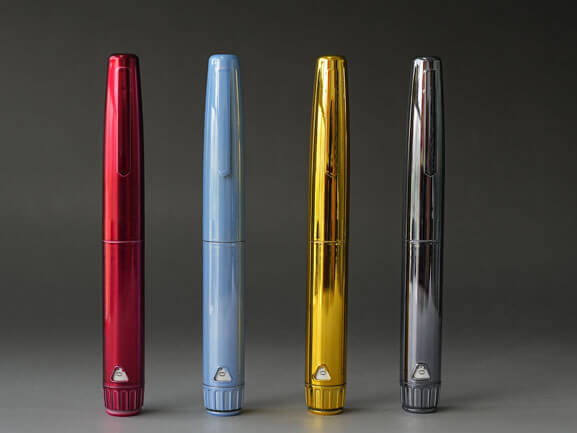
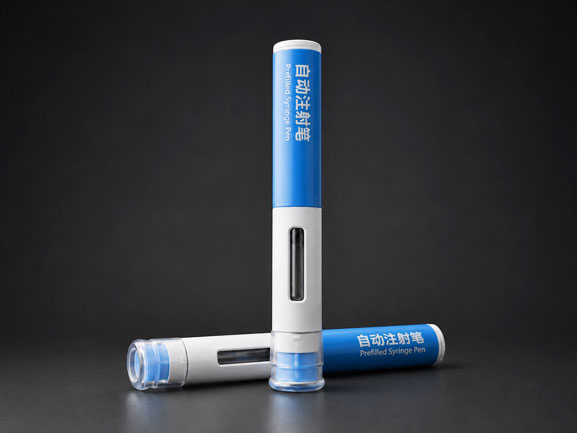
In the era of intelligent healthcare, the traditional concept of drug packaging is being redefined. Vials are no longer merely passive containers for storing medications, but rather active functional components deeply integrated into drug delivery systems. This transformation requires packaging materials to possess the ability to work collaboratively with electronic, mechanical, and optical systems.
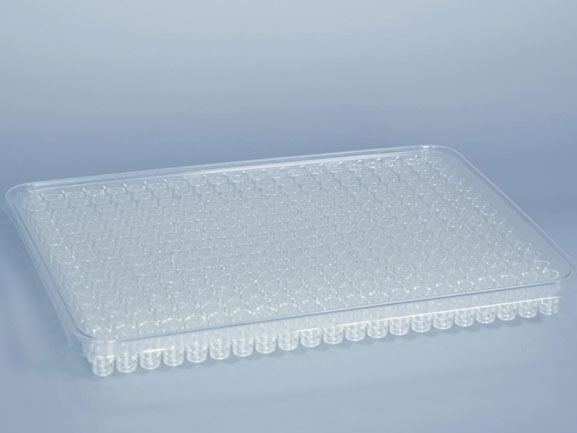
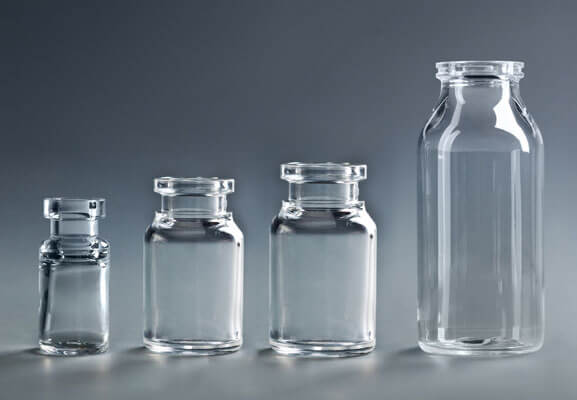
Cyclic olefin polymer (COP) vials, with their unique multi-dimensional performance advantages, are becoming an ideal choice for next-generation intelligent medical devices. This article will provide an in-depth analysis from a systems integration perspective on how COP vials are deeply integrated with modern medical technology.
I. The Foundation of System Integration: A Comprehensive Performance Matrix of COP Materials
To understand the system integration value of COP vials, we must first analyze how their performance matrix meets the multiple requirements of intelligent medical devices:
Physical Performance Dimensions:
Dimensional Stability: Coefficient of thermal expansion <7×10⁻⁵/°C, ensuring accuracy under temperature changes.
Mechanical Strength: Tensile strength >60MPa, meeting the high-pressure requirements of autoinjectors.
Surface Properties: Coefficient of friction 0.2-0.3, optimizing piston movement smoothness.
Chemical Performance Dimensions:
Chemical Resistance: Tolerates pH range 1-12, compatible with most drug formulations.
Barrier Performance: Water vapor transmission <0.3g/m²·day, oxygen transmission <20cm³/m²·day.
Purity Grade: Meets USP Class VI standards.
Optical Performance Dimensions:
Broad Transmission Spectrum: Covers the entire visible light spectrum from 380-780nm.
Refractive Index: 1.53, well-matched with most optical sensors.
Birefringence: <10nm, ensuring distortion-free images.
II. Deep Integration with Visual Perception Systems Modern intelligent medical devices widely employ machine vision technology, and the superior optical performance of COP vials provides an ideal platform for this:
1. Liquid Level Detection System Integration
COP's high transparency ensures signal attenuation <5%
Low haze characteristics prevent image blurring
Surface smoothness <0.1mm eliminates optical distortion
2. Bubble Detection and Classification
In infusion pumps and dialysis equipment, COP vials support advanced bubble detection algorithms:
Size Classification: Accurately identifies bubbles in the 0.1-5ml range
Position Tracking: Real-time monitoring of bubble movement trajectories
Risk Assessment: Intelligently determines the threat level of bubbles
3. Drug Status Monitoring
Through multispectral imaging technology, COP vials support:
Color Change Detection: Early detection of drug degradation
Sediment Recognition: Early warning of protein aggregation
Concentration Uniformity: Assessing suspension quality
III. Precise Synergy with Mechanical Drive Systems
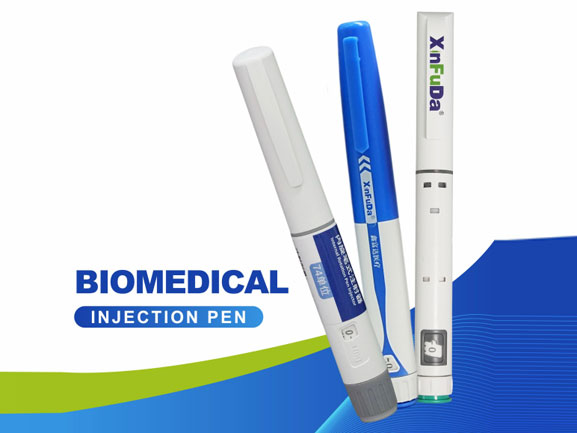
In devices such as autoinjectors and micropumps, the mechanical properties of COP vials directly affect drug delivery accuracy:
1. Piston Motion Dynamics Optimization
Key Parameter Matching:
- Inner Diameter Tolerance: ±0.05mm (Ensuring piston sealing)
- Inner Surface Roughness: Ra<0.2μm (Reducing frictional resistance)
- Roundness Deviation: <0.1mm (Ensuring linearity of motion)
Through finite element analysis optimization, COP vials can reduce the coefficient of variation of the force-displacement curve of piston motion by 40%.
2. Dosage Accuracy Assurance System
In precision devices such as insulin pumps:
Each dose delivery error is controlled within ±1%.
Long-term use stability maintains >99% accuracy.
Supports micro-dose delivery at the 0.01ml level.
3. Ergonomic Design
Considering patient self-administration scenarios:
Injection force requirement: <20N (elderly patient friendly)
Operation feedback: Clear mechanical feel
Error prevention: Integrated anti-misoperation design
IV. System-Level Cost-Effectiveness Analysis
Assessing the value of COP vials from a system integration perspective:
Direct Cost Savings:
• Reduced secondary processing requirements: Saves 15-25% on assembly costs
• Increased yield: Reduces scrap rate by 3-5%
• Simplified supply chain: Reduces material management costs by 20-30%
Indirect Value Creation:
• Shorter time-to-market: Accelerates development cycle by 2-4 months
• Enhanced product differentiation: Increases market competitiveness by 15-25%
• Reduced maintenance costs: Reduces field service requirements by 30-40%
Total Cost of Ownership Optimization:
Through lifecycle analysis, the total system cost using COP vials can be reduced by 10-18%.
V. Industry Application Case Studies
Case 1: Intelligent Insulin Delivery System
After adopting COP vials, a leading global diabetes care company:
System integration time reduced by 6 months
Dosage accuracy improved to 99.3%
User error rate decreased by 65%
Case 2: Intelligent Infusion System for Hospitals
In an ICU intelligent transformation project:
Drug delivery efficiency increased by 40%
Drug errors reduced by 90%
Nurse workload reduced by 25%
Case 3: Home-Use Biological Agent Injector
For patients with autoimmune diseases:
Training time reduced from 2 hours to 30 minutes
First-time use success rate increased from 75% to 95%
Patient compliance improved by 50%
In today's era of intelligent and systematic advancements in medical technology, COP vials have transcended the realm of traditional packaging, becoming an indispensable core functional component of intelligent medical devices. Their unique performance combination provides a solid foundation for system integration, while continuous technological innovation constantly expands the boundaries of medical device possibilities.
For medical device developers, choosing the right COP vials is not merely a matter of material selection, but a crucial component of system architecture design. Only by deeply understanding and fully utilizing the system integration potential of COP materials can they gain a technological advantage in the fierce market competition.


Copyright © Shijiazhuang Xinfuda Medical Packaging Co., Ltd. All Rights
MAKE AN ENQUIRY