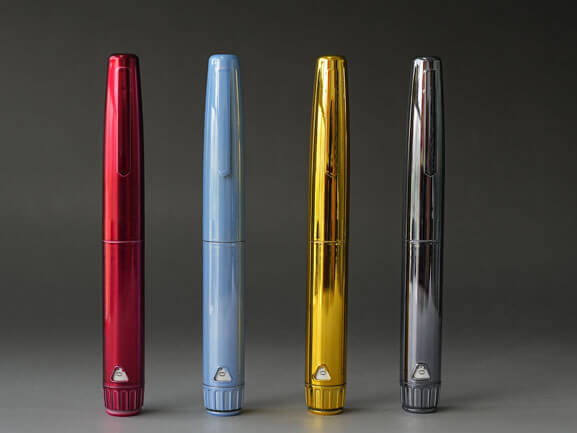
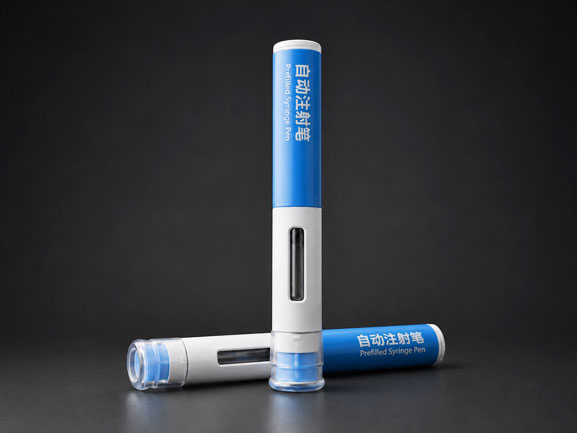
The rise of oral GLP-1 therapies has created new challenges for pharmaceutical packaging. As peptide-based drugs become available in tablet form, protecting them from moisture exposure is increasingly critical for product stability, shelf life, and regulatory compliance.
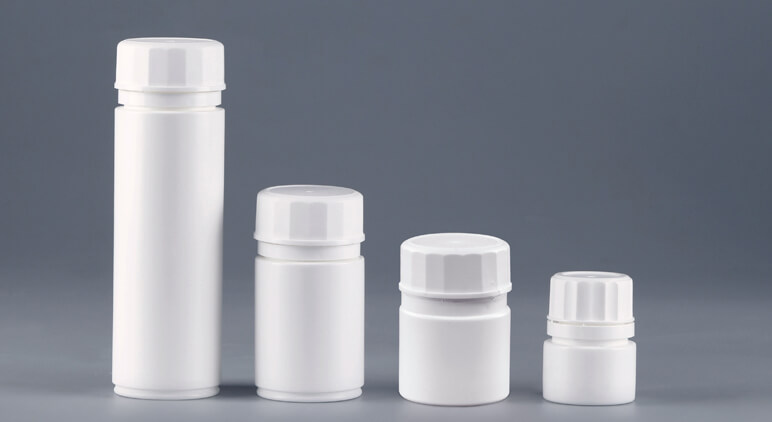
desiccant bottle with silica gel
Among these therapies, Rybelsus, developed by Novo Nordisk, has demonstrated the growing market demand for oral peptide medications. However, oral semaglutide formulations are highly sensitive to humidity, making moisture-control packaging essential throughout the product lifecycle.
Why Oral Semaglutide Is Moisture Sensitive
Semaglutide is a peptide-based active pharmaceutical ingredient (API). Compared with traditional small-molecule drugs, peptide therapeutics are generally more vulnerable to:
Moisture absorption
Hydrolysis
Temperature fluctuation
Oxidative degradation
Even small amounts of moisture ingress can negatively affect:
Drug potency
Dissolution performance
Tablet integrity
Stability during storage
This is particularly important in tropical and high-humidity markets such as Southeast Asia, India, Latin America, and the Middle East.
As a result, pharmaceutical manufacturers must carefully evaluate the container closure system used for oral GLP-1 products.
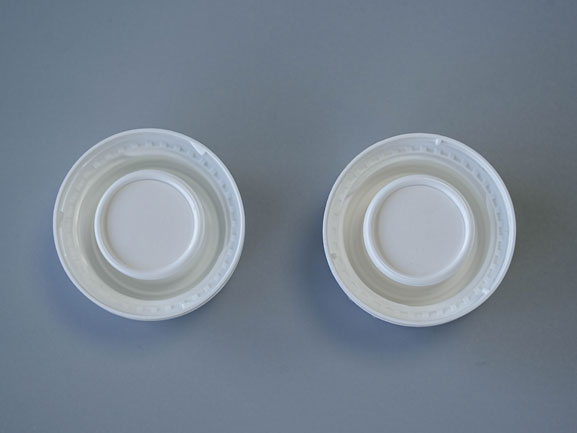
child resistant cap with silica gel desiccant
The Role of Desiccant Bottles in Oral GLP-1 Packaging
1. Continuous Moisture Protection
Desiccant Bottle systems are designed to actively absorb moisture inside the packaging environment.
Unlike conventional HDPE bottles, desiccant bottles integrate moisture-control functionality directly into:
the bottle wall,
desiccant liner,
or desiccant cap.
This helps maintain low internal humidity levels throughout product storage and transportation.
For oral semaglutide tablets, maintaining a controlled microenvironment inside the bottle can significantly improve long-term stability.
2. Improved Stability in FDA-Regulated Markets
The U.S. Food and Drug Administration places strong emphasis on:
stability testing,
moisture protection,
and container closure integrity.
For moisture-sensitive formulations, packaging systems must demonstrate their ability to protect the drug product under real-world storage conditions.
Desiccant packaging helps pharmaceutical companies support:
accelerated stability studies,
shelf-life validation,
and humidity resistance testing.
This becomes especially important when exporting products globally across different climate zones.
3. Better Protection During Transportation and Storage
Global pharmaceutical supply chains expose products to:
changing temperatures,
warehouse humidity,
and long shipping durations.
Integrated desiccant packaging reduces the risk of:
moisture ingress,
tablet softening,
sticking,
and degradation during transit.
For oral peptide products, this additional protection layer can help reduce product loss and quality risks.
Desiccant Cap vs Built-In Desiccant Bottle
Two major moisture-protection solutions are commonly used for oral semaglutide packaging.
Desiccant Cap Systems
Advantages:
Flexible design
Lower initial packaging cost
Easy integration into existing bottle platforms
Suitable for:
nutraceuticals,
probiotics,
and some pharmaceutical tablets.
Built-In Desiccant Bottles
Advantages:
Higher moisture absorption capacity
More uniform humidity control
Reduced risk of accidental desiccant ingestion
Suitable for:
highly moisture-sensitive peptide drugs,
oral biologics,
and long shelf-life pharmaceutical products.
As oral GLP-1 therapies continue to expand, built-in desiccant solutions are expected to become more widely adopted.
Future Packaging Trends for Oral Peptide Drugs
The success of oral semaglutide is accelerating development of:
oral biologics,
oral peptide therapeutics,
and next-generation GLP-1 medicines.
This trend is also increasing demand for:
moisture barrier packaging,
high-performance HDPE bottles,
CRC desiccant caps,
and pharmaceutical-grade desiccant systems.
Why Pharmaceutical Companies Are Upgrading Moisture-Proof Packaging
For oral semaglutide products, packaging is no longer just a container. It has become part of the drug stability strategy.As oral peptide drugs become more common, moisture-proof pharmaceutical packaging will play an increasingly important role in the future of drug delivery.


Copyright © Shijiazhuang Xinfuda Medical Packaging Co., Ltd. All Rights
MAKE AN ENQUIRY