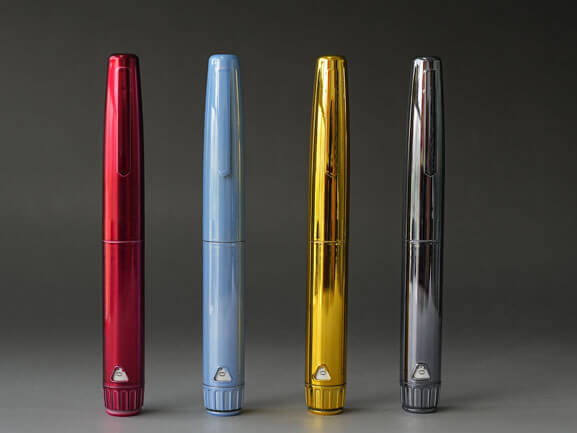
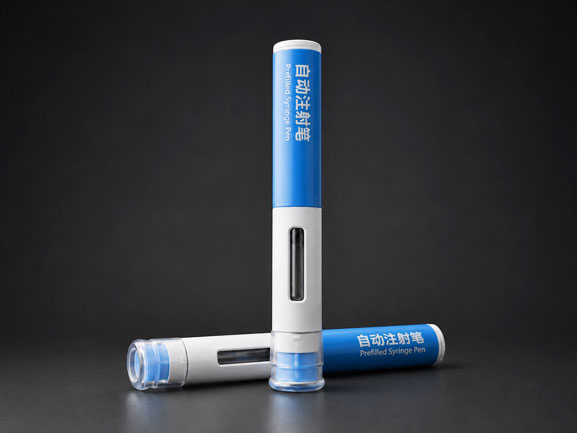
The success of oral GLP-1 therapies is transforming both pharmaceutical formulation and drug packaging strategies. As peptide-based medicines move beyond injectable delivery systems into oral dosage forms, packaging is becoming increasingly important for product stability, patient safety, and global commercialization.
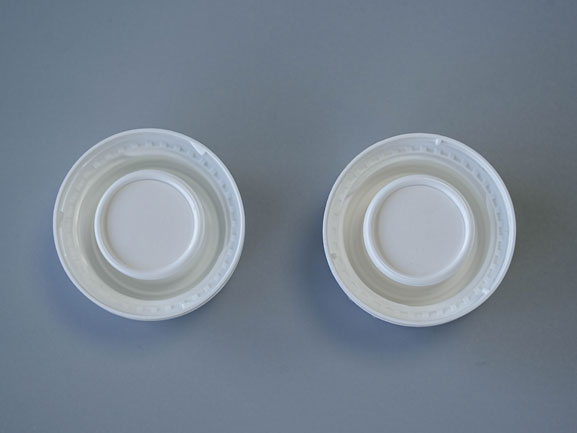
child resistant cap with silica gel desiccant
Drugs such as Rybelsus from Novo Nordisk have already demonstrated the commercial viability of oral peptide therapeutics. In the coming years, the expansion of oral GLP-1 drugs is expected to drive major innovation in moisture-control pharmaceutical packaging.
Why Oral GLP-1 Packaging Is Becoming More Important
Unlike traditional oral solid-dose medicines, GLP-1 and peptide-based drugs are highly sensitive to environmental conditions.
These formulations can be affected by:
moisture exposure,
temperature fluctuation,
oxygen ingress,
and storage instability.
As pharmaceutical companies develop next-generation oral biologics and peptide therapies, packaging will no longer serve only as a container. Instead, it will become a critical part of the drug stability system.
This shift is accelerating demand for:
high-barrier packaging,
desiccant-integrated bottles,
advanced container closure systems,
and pharmaceutical moisture-protection technologies.
1. Growth of Integrated Desiccant Packaging
One of the most important future trends is the expansion of Desiccant Bottle technologies.
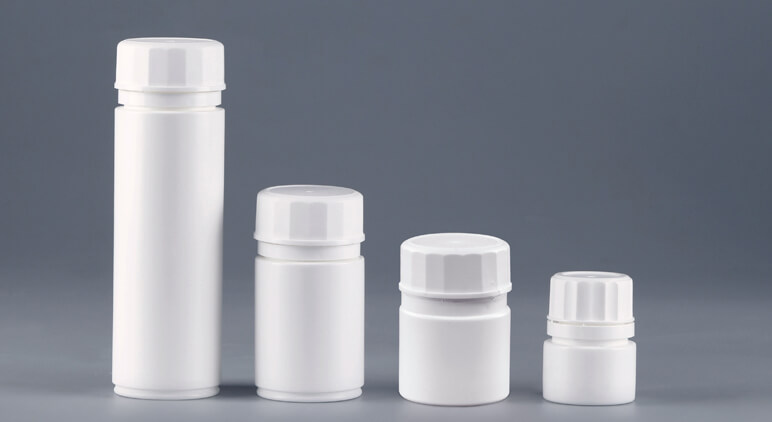
desiccant bottle with silica gel
Traditional HDPE bottles may not provide sufficient protection for highly moisture-sensitive oral peptides. As a result, pharmaceutical companies are increasingly adopting:
built-in desiccant bottles,
desiccant-lined caps,
and integrated humidity-control systems.
Future oral GLP-1 packaging will likely feature:
stronger moisture adsorption capacity,
longer protection duration,
and more stable internal humidity control.
Integrated desiccant packaging can help:
improve shelf life,
reduce degradation risk,
and support global distribution in humid climates.
2. Higher FDA and Regulatory Expectations
The U.S. Food and Drug Administration is placing greater emphasis on:
container closure integrity,
stability validation,
moisture barrier performance,
and packaging consistency.
Future oral GLP-1 packaging systems may require:
advanced moisture ingress testing,
MVTR validation,
desiccant efficiency studies,
and real-time climate simulation testing.
Regulatory agencies are increasingly recognizing packaging as part of the overall drug delivery system rather than a secondary packaging component.
This means pharmaceutical packaging suppliers must provide:
stronger technical documentation,
pharmaceutical-grade manufacturing standards,
and validated moisture-protection performance.
3. Smart Moisture-Control Packaging
Another emerging trend is smart pharmaceutical packaging.
Future oral GLP-1 packaging may include:
humidity indicators,
smart labels,
digital monitoring technologies,
and connected packaging systems.
These technologies could help pharmaceutical companies:
monitor storage conditions,
improve supply chain visibility,
and reduce stability risks during transportation.
Smart packaging may become particularly important for:
temperature-sensitive peptide products,
international logistics,
and high-value biologic therapies.
4. Sustainability and High-Barrier Material Innovation
The pharmaceutical industry is also facing increasing pressure to improve sustainability.
However, oral GLP-1 drugs often require:
multilayer moisture barriers,
desiccant systems,
and high-performance resins.
Future packaging innovation will focus on balancing:
sustainability,
recyclability,
and high moisture protection.
Potential developments include:
recyclable pharmaceutical HDPE materials,
lightweight barrier bottles,
bio-based resins,
and lower-carbon packaging systems.
Pharmaceutical companies will increasingly seek packaging suppliers capable of delivering both:
regulatory compliance,
and sustainable packaging strategies.
5. Child-Resistant and Patient-Centric Packaging
As oral GLP-1 products become more widely prescribed, packaging must also improve the patient experience.
Future oral peptide packaging will likely prioritize:
child-resistant safety,
senior-friendly usability,
portability,
and dosing convenience.
This will increase demand for:
CRC desiccant caps,
ergonomic pharmaceutical bottles,
and patient-centric packaging design.
Balancing moisture protection with user accessibility will become a key packaging challenge.
6. Expansion of Oral Biologics Beyond GLP-1
The future impact extends beyond semaglutide alone.
The pharmaceutical industry is rapidly developing:
oral biologics,
oral peptide therapeutics,
oral insulin,
and next-generation metabolic therapies.
As these products enter commercial markets, advanced pharmaceutical packaging will become increasingly essential.
This creates long-term growth opportunities for:
moisture-proof packaging suppliers,
pharmaceutical bottle manufacturers,
and desiccant technology companies.
As oral peptide therapeutics continue to expand globally, advanced desiccant packaging and high-barrier pharmaceutical containers will play a critical role in ensuring drug stability and commercial success.
For pharmaceutical manufacturers, selecting the right packaging partner may become just as important as selecting the right formulation technology.


Copyright © Shijiazhuang Xinfuda Medical Packaging Co., Ltd. All Rights
MAKE AN ENQUIRY