November 16, 2026
Competition in Brazil's semaglutide market is moving beyond the active pharmaceutical ingredient. Recent regulatory and commercial developments show that the delivery system, dose presentation and local market strategy are becoming important parts of the finished product.
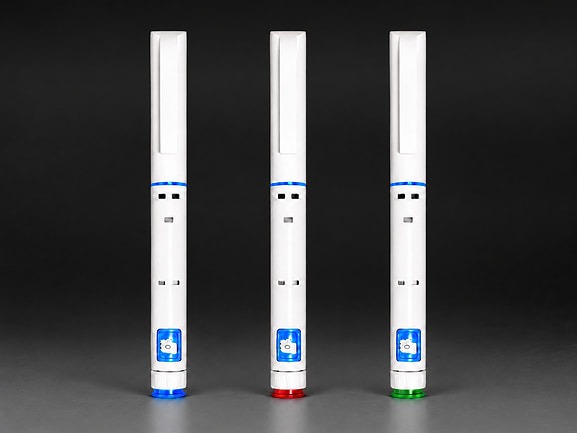
On November 5, 2026, Dr. Reddy's Laboratories announced that Brazil's National Health Surveillance Agency, ANVISA, had granted marketing authorization for its generic semaglutide injection for adults with insufficiently controlled type 2 diabetes. The company said the product would be supplied as a prefilled, multi-dose injectable pen in two presentations: 2 mg/1.5 mL and 4 mg/3 mL.
Four days later, Sandoz announced the Brazilian launch of Owozy, a semaglutide solution for injection developed by Adalvo and commercialized in Brazil by Biolab & Co. Sandoz described the product as a prefilled multi-dose disposable pen. The approved presentations contain semaglutide 1.34 mg/mL in 1.5 mL and 3.0 mL pens.
The two announcements are separate corporate developments. They should not be interpreted as evidence that the products use the same device, primary container or manufacturing arrangement. Together, however, they show that competition in a major GLP-1 market now includes finished pen presentations rather than drug substance alone.
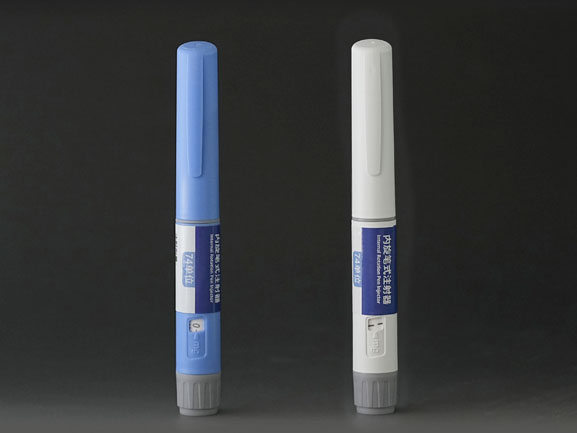
Multi-Dose Pens Are Part of the Product Strategy
A multi-dose pen is not simply secondary packaging for semaglutide. It is part of the drug-device combination presented to the user and must support the approved dose schedule, intended treatment period and operating sequence.
For a once-weekly medicine, the pen program may need to coordinate several product characteristics:
- the total drug content and usable volume in each presentation;
- the number of intended doses available from the pen;
- the dose-setting mechanism and dose increment;
- compatibility between the pen body and primary container;
- dose accuracy across the full usable life of the device;
- needle attachment, priming and injection steps;
- labeling and instructions in the local language;
- storage, distribution and in-use requirements.
These requirements make the delivery system a development workstream in its own right. A pharmaceutical company cannot assume that a pen configured for one concentration, fill volume or dosing schedule can be transferred unchanged to another product.
Why the 1.5 mL and 3.0 mL Presentations Matter
Both announcements refer to more than one pen presentation. This is commercially relevant because different total-fill configurations can support different dose strengths or treatment stages while allowing the brand to maintain a coherent user experience.
The engineering work is more detailed than selecting a larger or smaller container. Project teams need to evaluate the relationship between drug concentration, deliverable volume, dose-setting geometry, residual volume, plunger movement and the number of doses expected from the finished pen.
The primary container and device mechanism must be reviewed together. Dimensional tolerance, stopper movement, break-loose and glide behavior, pen needle interface and assembly conditions can all affect performance. These factors require testing with the intended formulation and final commercial configuration.
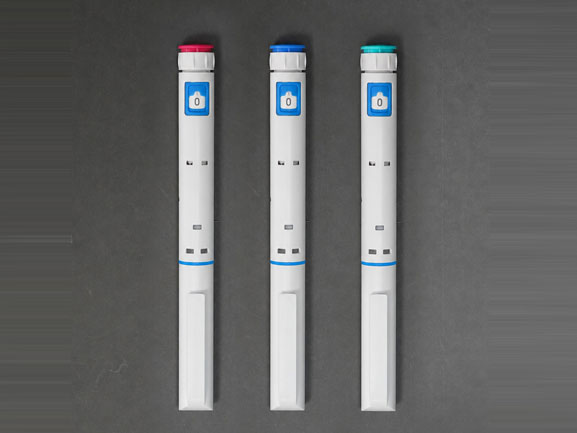
Implications for Generic and Follow-On GLP-1 Programs
The Brazilian developments indicate that generic and follow-on GLP-1 competition will involve more than analytical and clinical comparability. Companies also need a practical plan for device development, industrialization and lifecycle management.
Device selection must begin early
The pen platform affects container selection, filling, final assembly, labeling and user studies. Delaying the device decision can create avoidable changes later in development.
Dose presentation requires a portfolio view
Multiple strengths or treatment stages may require more than one pen configuration. Pharmaceutical teams should decide which components can remain common and which elements must change between presentations.
Local registration affects the finished product
Market entry in Brazil requires more than translating an existing label. The sponsor must align the approved drug information, instructions for use, carton, device markings and pharmacovigilance procedures with the local product and regulatory pathway.
Supply planning must cover the complete system
Commercial readiness depends on reliable access to primary containers, molded components, dose mechanisms, pen needles where applicable, final assembly and packaging. A delay in one component can affect the supply of the finished medicine.
Device changes require controlled evaluation
Changes to a cartridge, stopper, needle interface, dose mechanism or assembly process may affect dose delivery and user operation. Change-control decisions should be supported by documented technical assessment and, where necessary, verification testing.
Multi-Dose Pen and Autoinjector Are Different Project Directions
The Brazilian products described in the two announcements are prefilled multi-dose pens. They should not be described as single-dose autoinjectors.
A multi-dose pen normally requires the user to prepare the device, select or confirm a dose, attach a compatible pen needle where required and repeat the process over several administrations. A single-dose autoinjector is generally configured to deliver one fixed dose through a simplified activation sequence before disposal.
The distinction affects the primary container, dose mechanism, user interface, instructions for use, assembly process and verification plan. Pharmaceutical companies should define the intended delivery format before requesting samples or quotations from a device supplier.
Questions Pharma Teams Should Prepare for a Pen Project
Before evaluating a multi-dose injection pen, the project team should prepare a technical brief covering:
- drug concentration and viscosity range;
- primary-container drawing and nominal fill volume;
- target dose or dose range;
- required dose increment;
- intended number of doses per pen;
- needle interface and target pen needle;
- injection-force and injection-time expectations;
- target markets and applicable labeling languages;
- clinical, registration or commercial project stage;
- sample quantity, testing scope and target timeline.
Clear inputs help determine whether an existing pen platform is suitable or whether mechanism, housing, dose display or assembly changes require further development.


Copyright © Shijiazhuang Xinfuda Medical Packaging Co., Ltd. All Rights
MAKE AN ENQUIRY