The pharmaceutical industry is closely watching the latest move by the U.S. Food and Drug Administration regarding GLP-1 therapies. The FDA has proposed excluding Semaglutide, Tirzepatide, and Liraglutide from the 503B Bulks List-a decision that could significantly reshape the compounding, obesity treatment, and drug delivery markets.
As demand for GLP-1 drugs continues to surge worldwide, this regulatory proposal signals a major shift toward tighter compliance and stronger control of the pharmaceutical supply chain.
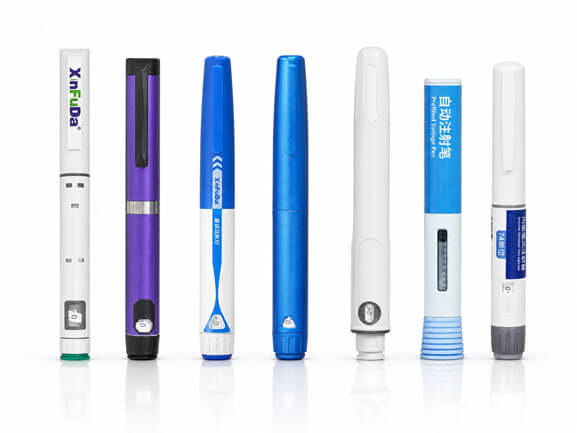
injecion pen types
What Is the FDA 503B Bulks List?
Under Section 503B of the Federal Food, Drug, and Cosmetic Act, outsourcing facilities can compound medications using bulk drug substances that appear on the FDA’s approved 503B Bulks List.
These facilities have played an important role during periods of drug shortages by producing compounded versions of high-demand medications.
However, the FDA now proposes removing several major GLP-1 active pharmaceutical ingredients (APIs), including:
Semaglutide
Tirzepatide
Liraglutide
If finalized, 503B outsourcing facilities would no longer be permitted to routinely compound these products from bulk substances unless specific shortage or exemption conditions apply.
Why the FDA Is Taking Action
The rapid growth of GLP-1 therapies has created an enormous market for obesity and diabetes treatments. At the same time, the rise of compounded versions has raised concerns related to:
Product consistency
Patient safety
API sourcing quality
Regulatory oversight
Counterfeit and unauthorized formulations
The FDA’s proposal reflects increasing regulatory focus on ensuring that advanced therapies are manufactured under stricter quality standards.
For pharmaceutical companies, this means the market is moving toward a more regulated and compliance-driven environment.
Impact on Pharmaceutical Companies
1. Stronger Market Position for Innovator Drug Companies
Major pharmaceutical companies such as Novo Nordisk and Eli Lilly are likely to benefit from the proposal.
By limiting compounded competition, branded manufacturers may gain:
Greater market exclusivity
Improved pricing stability
Stronger supply chain control
Increased patient reliance on approved products
This could further strengthen the dominance of approved GLP-1 brands in global markets.
2. Higher Compliance Requirements Across the Industry
Biotech and pharmaceutical companies developing GLP-1 therapies will face increasing pressure to ensure:
GMP-compliant manufacturing
Regulatory-grade packaging systems
Validated drug delivery devices
Traceable supply chains
Companies relying on informal or semi-regulated production channels may face significant operational challenges.
As a result, pharmaceutical firms are expected to prioritize partnerships with qualified device and packaging suppliers that meet international standards such as ISO 13485.
3. Increased Demand for High-Quality Drug Delivery Systems
As regulatory scrutiny intensifies, pharmaceutical companies will place greater emphasis on reliable drug delivery technologies, including:
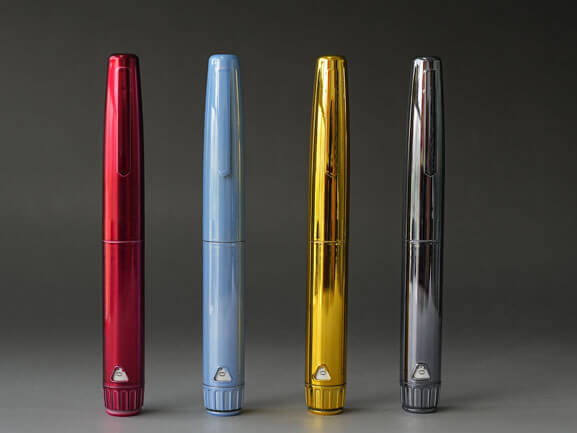
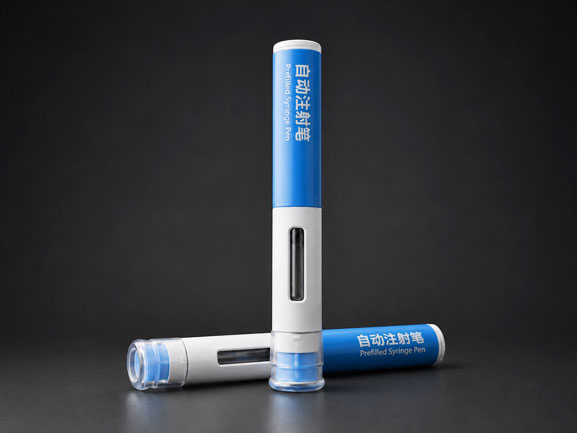
Disposable injection pens
Auto-injector systems
The shift toward regulated production environments will likely accelerate demand for precision-engineered injection systems suitable for GLP-1 and biologic therapies.
This trend creates new opportunities for injection pen manufacturers supporting compliant pharmaceutical development.
4. Pressure on 503B Outsourcing Facilities
503B outsourcing facilities that previously compounded GLP-1 therapies may experience:
Reduced business opportunities
Increased regulatory audits
Supply chain disruptions
Product portfolio restructuring
Some facilities may shift focus toward other compounded therapies, while others may pursue formal drug approval pathways.
Long-Term Industry Implications
The FDA proposal signals a broader transformation in the pharmaceutical market:
A. Transition From Shortage-Driven Supply to Regulated Manufacturing
The GLP-1 market is evolving from emergency-style supply expansion toward long-term regulated commercialization.
B. Expansion of Pharmaceutical Packaging and Device Requirements
Drug manufacturers will increasingly require:
Advanced primary packaging
Stable cartridge systems
High-barrier pharmaceutical containers
Precision injection devices
This will drive innovation across pharmaceutical packaging and drug delivery sectors.
C. Consolidation of the GLP-1 Supply Chain
Larger pharmaceutical companies with strong regulatory infrastructure are likely to gain market share, while smaller unregulated suppliers may struggle to compete.
Opportunities for Injection Pen and Packaging Manufacturers
For pharmaceutical packaging and injection device manufacturers, the FDA proposal may c
reate significant long-term opportunities.
As drug companies move toward compliant, scalable production systems, demand is expected to rise for:
ISO 13485-certified injection pen manufacturers
High-precision drug delivery devices
GLP-1 compatible pen systems
Pharmaceutical-grade packaging solutions
Manufacturers capable of supporting regulatory requirements and global commercialization strategies may become critical partners in the next phase of GLP-1 market expansion.
Conclusion
The FDA’s proposal to exclude Semaglutide, Tirzepatide, and Liraglutide from the 503B Bulks List marks a pivotal moment for the pharmaceutical industry.
While the policy may reduce opportunities for compounded GLP-1 products, it is expected to strengthen the position of regulated pharmaceutical manufacturers and accelerate demand for compliant drug delivery systems.
For pharmaceutical companies, the message is clear:
The future of GLP-1 therapies will depend on quality, compliance, and scalable manufacturing partnerships.
As regulatory standards continue to evolve, companies investing in advanced injection technologies and pharmaceutical packaging solutions will be better positioned for long-term growth in the rapidly expanding biologics and obesity treatment markets.


Copyright © Shijiazhuang Xinfuda Medical Packaging Co., Ltd. All Rights
MAKE AN ENQUIRY