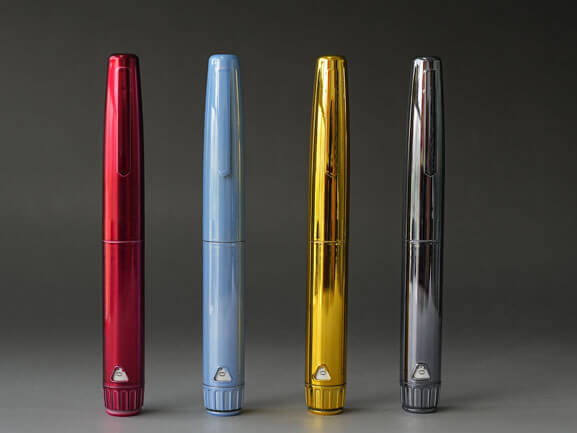
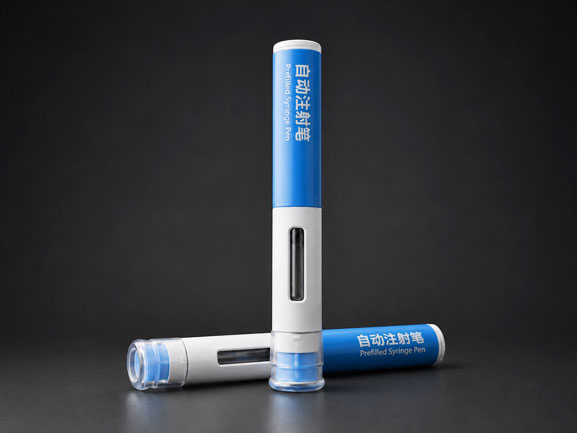
Disposable injection pens are widely used for therapies such as Insulin and GLP-1 drugs like Semaglutide.
As demand for biologic and peptide drug delivery devices grows, manufacturers face increasing pressure to ensure consistent performance, high yield, and scalable production.
However, achieving stable quality in high-volume automated assembly is not straightforward. This article outlines the top 7 manufacturing challenges in disposable injection pens—and practical solutions to overcome them.
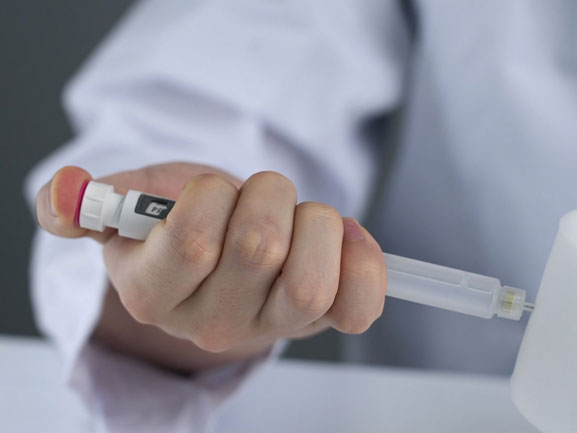
1. Injection Force Variation
The Challenge
Inconsistent injection force leads to poor user experience:
Too high → difficult to inject
Too low → inaccurate dose delivery
Root Causes
Variable friction between components
Lubrication inconsistency
Spring force deviation
Solution
Implement 100% in-line injection force testing
Optimize lubrication process
Control spring parameters with tight tolerances
✔ Result: Smooth and consistent injection performance
2. Assembly Inconsistency
The Challenge
Device-to-device variation affects overall reliability.
Root Causes
Tolerance stack-up
Manual or unstable assembly processes
Lack of torque control
Solution
Use servo-controlled assembly systems
Apply torque monitoring with defined limits
Standardize component tolerances
✔ Result: High consistency across production batches
3. Device Jamming or Sticking
The Challenge
Jamming is one of the most critical failures in injection pens.
Root Causes
Misalignment of internal components
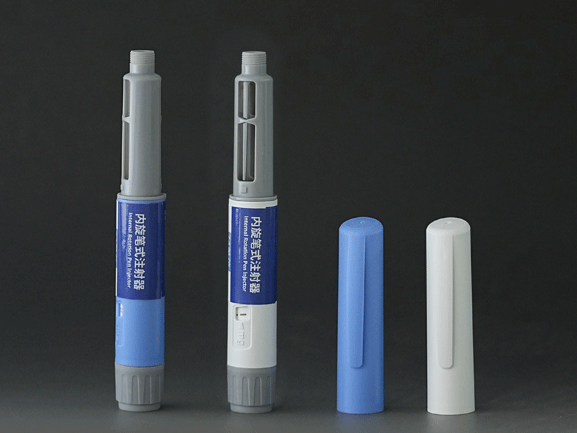
Poor engagement of inner rotation mechanisms
Assembly offset
Solution
Introduce precision alignment systems
Use vision-guided assembly
Optimize component design tolerances
✔ Result: Smooth and reliable device operation
4. Low Production Yield
The Challenge
High rejection rates increase production costs and delay delivery.
Root Causes
Uncontrolled process parameters
Lack of real-time quality monitoring
Solution
Implement real-time process control systems
Use automated inspection at each critical step
Identify and control key process variables
✔ Result: Improved yield and reduced waste
5. Lubrication Variability
The Challenge
Inconsistent lubrication leads to unstable injection force.
Root Causes
Uneven silicone oil application
Lack of process control
Solution
Use automated lubrication systems
Monitor coating volume and uniformity
Apply validation and calibration protocols
✔ Result: Reduced friction variability and stable performance
6. Spring Force Variation
The Challenge
Spring performance directly impacts dose delivery accuracy.
Root Causes
Supplier variability
Lack of incoming quality control
Solution
Perform incoming inspection and sorting
Control spring compression parameters
Use validated spring specifications
✔ Result: Accurate and reliable dose delivery
7. Lack of Traceability
The Challenge
Without traceability, root cause analysis becomes difficult.
Root Causes
No data collection system
Manual production tracking
Solution
Implement MES (Manufacturing Execution System)
Track each device with unique identification
Record torque, force, and assembly data
✔ Result: Full quality traceability and regulatory compliance
Why Process Control Matters for Pharmaceutical Companies
For pharmaceutical companies, injection pens are not just devices-they are critical components of drug-device combination products.
Manufacturing disposable injection pens at scale requires more than automation-it requires precise control of every critical process parameter.


Copyright © Shijiazhuang Xinfuda Medical Packaging Co., Ltd. All Rights
MAKE AN ENQUIRY