In cryogenic storage, COP vials, through their unique material properties and scientific process design, effectively slow down the aggregation and precipitation of exosomes. The following is a summary of key measures and principles.
| Protective Measure | Core Mechanism | Role in Preventing Exosome Aggregation/Sedimentation |
| Low-Protein-Adsorption Surface Material | COP material has low surface energy and high chemical inertness, often treated with plasma silanization to reduce exosome-wall interaction. | Fundamentally reduces exosome loss and local concentration changes due to non-specific adsorption to the vial wall—the initial step in preventing aggregation. |
| Optimized Cryopreservation Process | Works synergistically with well-defined cryoprotectant formulations and achieves controlled, uniform freezing through programmed cooling. | Cryoprotectants provide a stable microenvironment for exosomes and reduce ice crystal damage; uniform cooling prevents solution convection caused by temperature gradients, thereby avoiding exosome crowding and aggregation. |
| Stable Packaging System | COP vial and stopper are matched in thermal expansion coefficient, ensuring stable sealing interface at extreme temperatures (-80°C to -196°C) while maintaining excellent physical barrier properties. | Prevents contamination and solution disturbance caused by liquid nitrogen or pollutant infiltration; high barrier properties prevent moisture evaporation or gas ingress during storage, maintaining stable solution phase conditions. |
In cryogenic storage, COP vials, through their unique material properties and scientific process design, effectively slow down the aggregation and precipitation of exosomes. The following is a summary of key measures and principles.
To fully utilize the advantages of COP vials, the following points should be noted in practical operation:
Selection and compatibility of cryoprotectant solutions: Using dedicated cryoprotectant solutions with clearly defined components and high biocompatibility is crucial. For example, formulations containing dextran 70, bovine serum albumin, and sialic acid can form a protective film on the surface of exosomes at specific concentrations and provide a suitable charge environment to help resist cryopreservation damage. It is essential to ensure good compatibility between the cryoprotectant solution and the COP material.
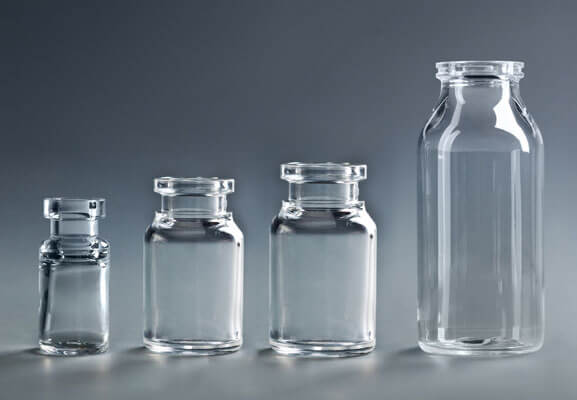
Polymer Vial 2ml 5ml 10ml for cell and gene therapies
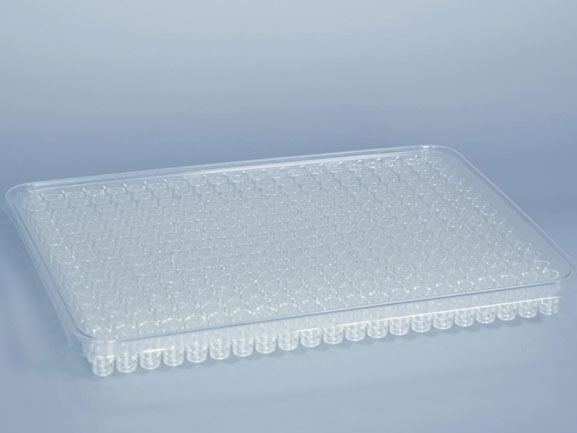
Controlling cryopreservation density and volume: Avoid freezing exosome suspensions at excessively high concentrations, and ensure appropriate filling volumes; do not overfill. This helps reduce the probability of intermolecular collisions and allows space for volume expansion of the solution during freezing.
Standardized thawing procedures: During thawing, it is recommended to use a rapid water bath (e.g., 37°C) and gently mix to ensure uniform dispersion of exosomes and avoid residual precipitation. Drastic temperature fluctuations or vibrations can cause secondary damage to already cryopreserved exosomes.
COP vials, with their "passive" material advantages (low adsorption, high inertness, thermal stability) and "active" process adaptability (matching sealing system, suitable for lyophilization), combined with optimized cryopreservation solutions and standardized cryopreservation/thawing procedures, constitute a systematic solution that effectively maintains the dispersion stability of exosomes under ultra-low temperature storage, minimizing aggregation and precipitation, and safeguarding the quality of exosome-based drugs.


Copyright © Shijiazhuang Xinfuda Medical Packaging Co., Ltd. All Rights
MAKE AN ENQUIRY