COP vials, with their outstanding performance in low protein adsorption and sealing under extreme temperatures, are becoming a better choice for packaging advanced therapeutic drugs such as exosomes. The table below visually compares its key performance data with that of traditional glass vials.
| Performance Indicator | COP Vial | Traditional Glass Vial (Borosilicate Glass) | Core Impact on Exosome Therapeutics |
|---|---|---|---|
| Low Protein Adsorption | ≤ 0.05 μg/cm² | ≥ 0.3 μg/cm² | Significantly reduces exosome recovery loss, ensuring accurate dosage delivery. |
| Exosome Recovery Rate (-80°C storage for 6 months) | ≥ 98% | ≤ 90% | Maximizes retention of biologically active exosomes, ensuring therapeutic efficacy. |
| Seal Integrity at Extreme Temperatures (Micro-leakage Rate) | ≤ 0.2% | 3–5% | Effectively prevents microbial ingress and product contamination during storage; higher reliability at -80°C to -196°C. |
| Coefficient of Thermal Expansion Match with Rubber Stopper | Contraction difference < 0.5 μm | Contraction difference > 5 μm | Ensures container closure integrity in ultra-low temperature environments at a fundamental physical level. |
| Water Vapor Transmission Rate | < 0.01 g·mm/m²/day | 0.1 - 0.5 g·mm/m²/day | Better maintains stability of lyophilized powder by preventing moisture absorption and degradation. |
| Chemical Inertness of Material | High; no leaching of heavy metal ions or plasticizers | Moderate; risk of alkali metal ion leaching | Reduces the risk of exosome degradation or contamination caused by leachables from the packaging container. |
Exosome surface proteins are crucial to their function. The low protein adsorption characteristics of COP bottles (≤0.05 μg/cm²) minimize adsorption loss during storage, ensuring a recovery rate of over 98% for functional exosomes such as CD63+. This is essential for therapeutic windows requiring precise dosing, directly supporting key data in pharmaceutical research regarding dosage accuracy and product stability.
Exosome drugs typically do not require terminal sterilization; therefore, the airtight seal of the packaging system is the last line of defense for ensuring their sterility. The near-synchronous shrinkage characteristics of COP material and rubber stoppers at ultra-low temperatures (shrinkage difference <0.5μm) allow for extremely low leakage risk (≤0.2%) even in liquid nitrogen environments at -80°C or even -196°C, far superior to glass bottles (3-5%). This provides a solid guarantee for meeting the stringent requirements of the "Guideline for Sealing of Packaging Systems for Biological Products" regarding the probability of microbial intrusion.
The high chemical inertness of COP material means that it introduces almost no new impurities during drug storage, resulting in superior compatibility with pharmaceuticals. This makes data collection simpler and less risky during packaging compatibility studies, helping to accelerate the registration application process.
In summary, choosing COP vials is not just about selecting a packaging container, but also about choosing a higher standard of compliance assurance and risk control strategy. Especially when developing high-value exosome drugs, using a validated COP packaging system from the early stages of the project can pave the way for subsequent pharmaceutical research and registration applications, avoiding unsatisfactory clinical data or review delays due to packaging issues.
When conducting cost assessments, the entire lifecycle cost should be considered. Although the unit price of COP vials is higher than that of traditional glass vials, their wash-and-sterilize-free (RTU) characteristics can save costs on numerous production and quality control steps such as cleaning and sterilization validation, and significantly reduce the risk of drug spoilage due to packaging failure. In the long run, it offers higher cost-effectiveness.
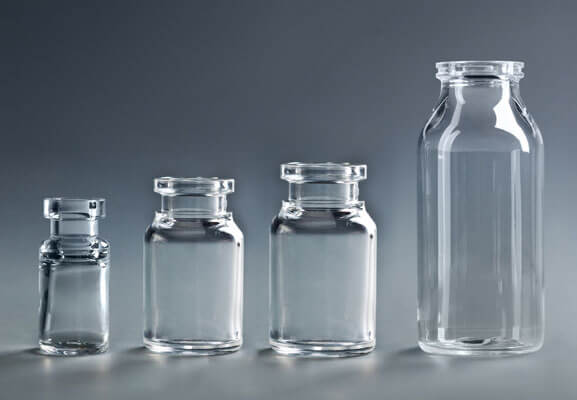
Polymer Vial 2ml 5ml 10ml for cell and gene therapies


Copyright © Shijiazhuang Xinfuda Medical Packaging Co., Ltd. All Rights
MAKE AN ENQUIRY